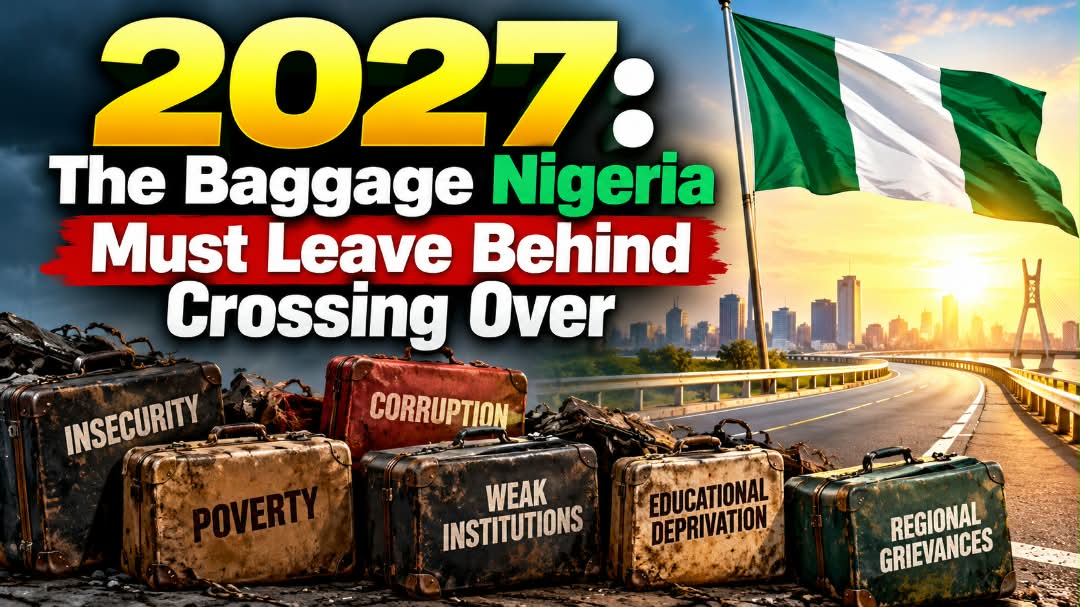
Category: Politics

  • Nigeria at 66 Celebrates a life not Lived

    Nigeria at 66 Celebrates a life not Lived

    “Just as being alive is not the same as truly living, a nation can spend decades in the dreamland of its aspirations without ever arriving at the reality of its dreams. That is Nigeria’s dilemma at 66”

    At 66, Nigeria can celebrate survival. But survival is not necessarily progress. Just as being alive is not the same as truly living, a nation can spend decades in the dreamland of its aspirations without ever arriving at the reality of its dreams. That is Nigeria’s dilemma at 66.

    The number 66 is not merely an age; it is an echo. Nigeria turns 66 in 2026, exactly 60 years after 1966 a year of coups, assassinations, ethnic tensions and a dangerous collapse of trust that helped set the country on the road to civil war. That history is recalled not to reopen old wounds or suggest that 2026 is a repetition of 1966. It is recalled because history is an early-warning system, and prevention is better than cure.

    The civil war ended with Nigeria remaining one country and the proclamation of “no victor, no vanquished,” followed by the three Rs Reconciliation, Rehabilitation and Reconstruction. That was an important victory. But winning the war was not necessarily the same as winning the peace.

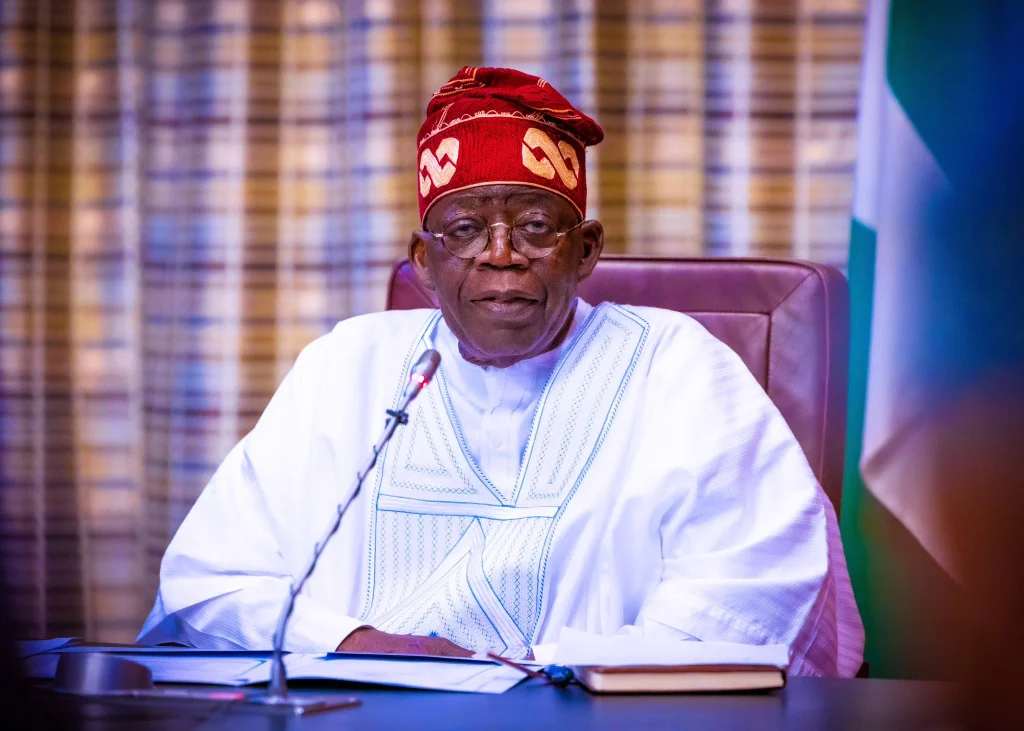
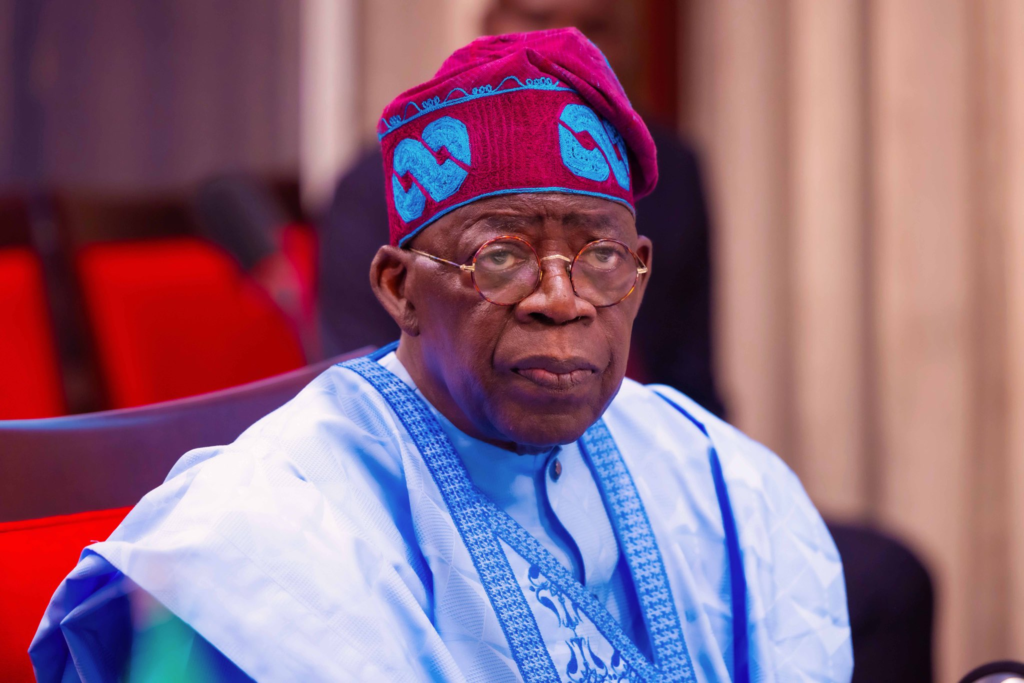
    President Bola Ahmed Tinubu

    Decades later, continuing claims of marginalization among some Igbo Nigerians raise a question the country should not be afraid to ask: How complete has reintegration truly been? This is not about accepting every political claim as fact. It is about asking why such perceptions have endured. Reconstruction can rebuild roads and bridges; rehabilitation can restore livelihoods; reconciliation can bring former adversaries back to the same table. But reintegration asks something deeper: Do people truly feel that they belong?

    A country is not completely united simply because its geographical boundaries remain intact. Unity must also exist in the consciousness of its citizens in the assurance that ethnicity, religion or region does not condemn anyone to permanent second place.

    This is where 1966 meets 2026. Nigeria’s dilemma is not confined to history books. It is visible in marketplaces, on abandoned farms, along unsafe highways and in homes struggling to put food on the table.

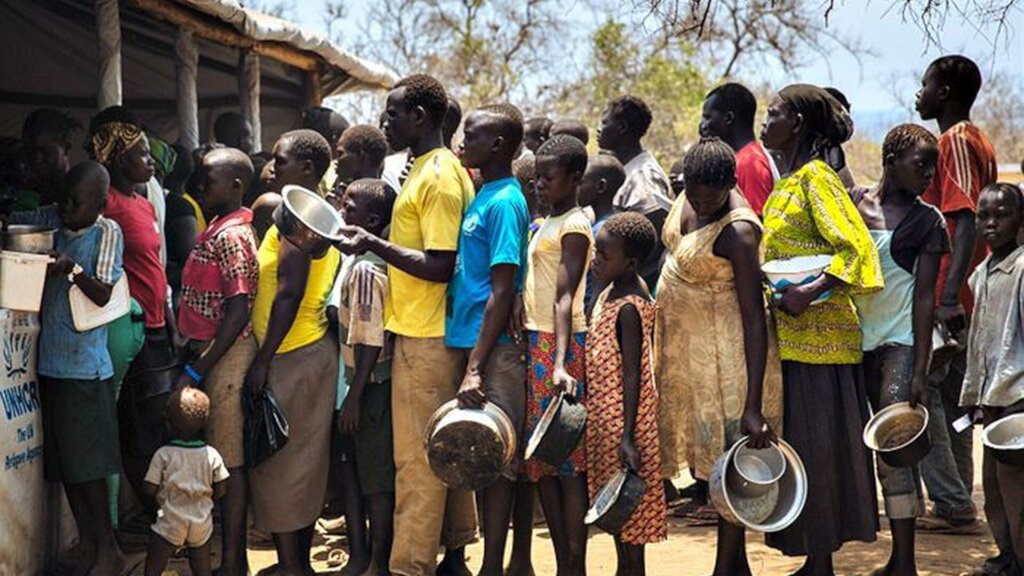
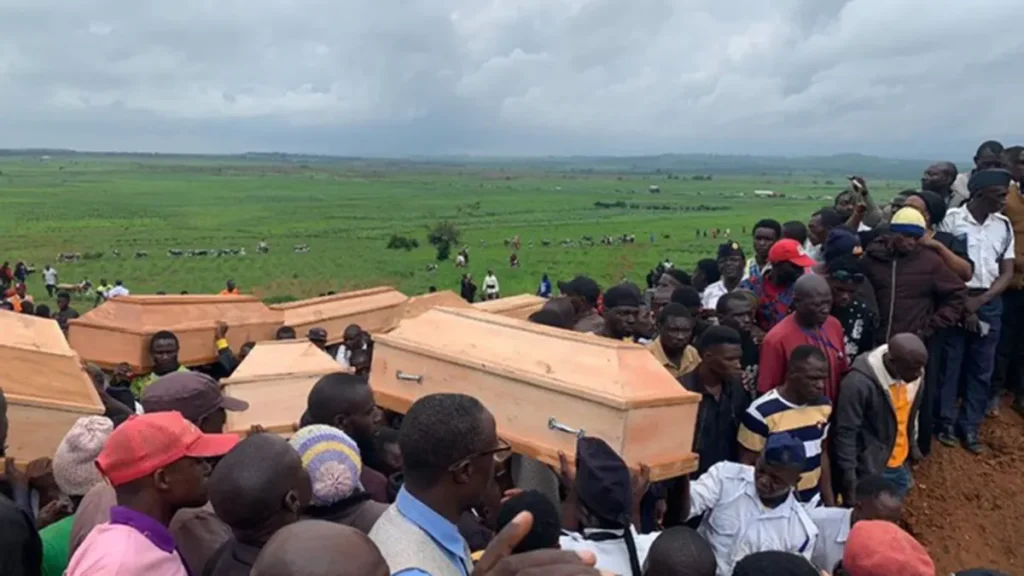
    The World Bank reports that Nigeria has made progress in restoring macroeconomic stability, but household living standards have yet to recover fully. More than 60 percent of Nigerians are estimated to be living below the national poverty line, while banditry, kidnapping, insurgency and separatist agitation remain serious insecurity challenges.

    Hunger and food Insecurity in Nigeria

    So, what does independence mean to a farmer afraid to go to the farm? What does macroeconomic progress mean to a family struggling to feed itself? What does citizenship mean to a community living in fear of kidnapping? And what does democracy mean if citizens struggle to connect it with greater security, opportunity and dignity?

    Another number therefore deserves attention: 27. Nigeria has experienced 27 years of uninterrupted civilian rule since 1999 the longest continuous period of civilian government in its history. That is no small achievement. But democracy cannot be measured by duration alone. Nigerians are entitled to ask whether democratic longevity has made the country safer, strengthened institutions, reduced poverty and increased citizens’ confidence in elections. The point is not that nothing has been achieved; it is that democratic longevity must increasingly translate into democratic dividends citizens can feel.

    Here, the Nigerian university must also look in the mirror. University campuses were once prominent arenas of political debate and student activism. The comparative silence on many campuses today deserves examination. Silence is not always peace; sometimes, it reflects a deficit of political consciousness.

    Insecurity in Nigeria

    Universities should be among society’s safest places for difficult questions. To teach critical thinking in classrooms and discourage its civic exercise is to educate incompletely. Professors bear a special responsibility. Society accords them unusual intellectual authority, but that authority weakens when it is not matched by a willingness to ask uncomfortable questions. The same obligation arises when academics are entrusted with sensitive national responsibilities, including roles in the electoral process. Their involvement is intended to strengthen credibility, and scholarship itself demands intellectual independence.

    Young Nigerians also belong at the centre of this conversation. The National Youth Confab scheduled for 2026 presents an opportunity to hear youth voices. But representation must mean more than geography; it must include diversity of thought. The important question is not merely whether constituencies are represented, but whether independent, critical and even dissenting young voices have a genuine place at the table. A youth conference that becomes an echo chamber would be an opportunity missed.

    Nigeria’s earlier campus tradition produced prominent activists and civic voices. That history reminds us that universities remain vital spaces for democratic consciousness not for recruiting students into unquestioning political loyalty, but for nurturing citizens capable of independent thought.

    Insecurity in Nigeria

    All these threads lead toward 2027: the memory of 1966, the unfinished task of reintegration, persistent insecurity and poverty, 27 years of uninterrupted democracy, the independence of academia and the political consciousness of young Nigerians. They converge around one fundamental question: Has Nigeria learned enough from its history to prevent its mistakes from becoming its future?

    The meaning of 2027 should therefore not be reduced merely to which party wins an election or which individual occupies an office. The victory Nigeria needs transcends party and identity: credible institutions, peaceful participation, inclusion and a society in which citizens can believe their voices still count.

    And that returns us to 1966. Nigeria in 2026 possesses one enormous advantage over Nigeria in 1966: we know what came next. That knowledge is itself a national resource. Nigeria does not need another wound to discover the value of prevention, another conflict to appreciate reconciliation, another democratic crisis to understand electoral integrity, or another generation of politically disenchanted young people to rediscover the university as a vibrant civic space.

    So, what does Nigeria really celebrate at 66? Perhaps, above all, it celebrates hope the hope that a nation that survived 1966 can learn from it; that Reconciliation, Rehabilitation and Reconstruction can deepen into genuine Reintegration; that 27 years of uninterrupted civilian rule can be measured not merely in years but in national progress; and that 2027 will demonstrate learning rather than repetition.

    At 66, Nigeria can light its candles and sing its anthem. But history will still ask not merely how long have you existed? It will ask: How much have you learned?

    Happy 66th anniversary to the best country in the world. God bless Nigeria and Nigerians.

    By Samuel Tunji Adeyanju

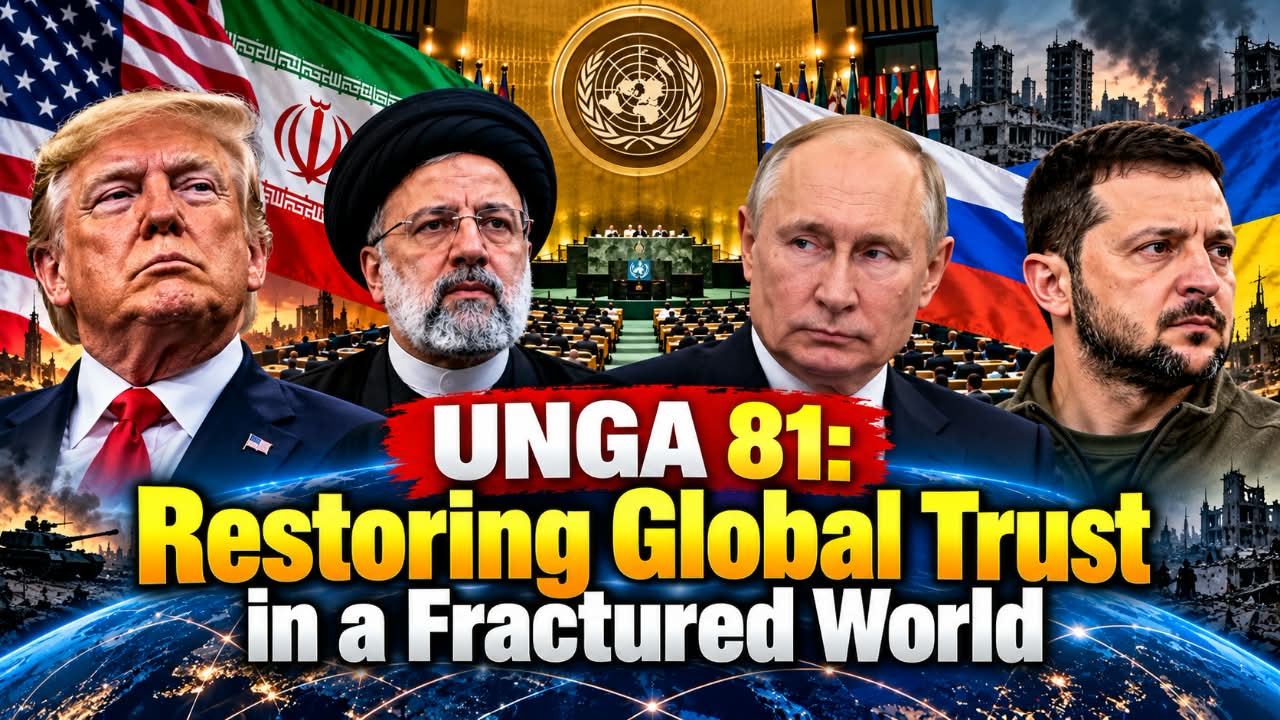
  • UNGA 81: Restoring Global Trust in a Fractured World

    UNGA 81: Restoring Global Trust in a Fractured World

    “UNGA 81 can chart that path, but the deeper work is conduct, not merely calls for trust. Trust is not only a promise about tomorrow, it is also a judgement on yesterday. Education is from known to unknown, and charity begins at home”

    Every year, the member states of the United Nations, gather in New York for the United Nations General Assembly. The 81st session comes at a time of wars, tensions, and strained multilateralism. Significantly, the UN itself acknowledges a deeper problem, the erosion of trust.

    That is clear in its chosen theme: “Restoring trust, managing Transformation”. If trust must be restored, then it must have been damaged, and that raises a central question: how did we get here and how deep is the deficit? Trust is the hard currency of international life. Nations negotiate because they expect agreements to have meaning, and when that expectation weakens, multilateralism suffers. Wars, including the Russian Ukraine conflict, and the confrontation involving US and Iran, show how fractured the environment is. War is not caused only by distrust, but distrust makes resolutions harder. When adversaries doubt that agreements would be honoured, or that rules apply consistently, the incentive to rely on force grows. When multilateralism weakens, smaller and poorer countries feel exposed. Here comes the African question. More than 8 decades after the US founding, Africa still don’t have a permanent seat on the UN security council. Though representation is not a cure all, but confidence is hard to sustain without a voice.

    However, from this global frame, the argument comes home. Nigeria cannot thrive without trust in its own institutions. Elections, Courts, and the executive, all rest on the reservoir of public confidence. Campaign promises matter, but where candidates have held prior responsibility, the electorates can also ask, what did you do with the trust you already had? That shifts the focus from promises alone to stewardship. How then is trust restored is the pertinent question that agitates the mind. It is not by asking people to trust, but by earning it. Consistency, reform where representation is lacking, credible processes, accountable leadership, measurable delivery and critical citizenship.

    UNGA 81 can chart that path, but the deeper work is conduct, not merely calls for trust. Trust is not only a promise about tomorrow, it is also a judgement on yesterday. Education is from known to unknown, and charity begins at home.

    God bless Nigeria.

    By Samuel Tunji Adeyanju
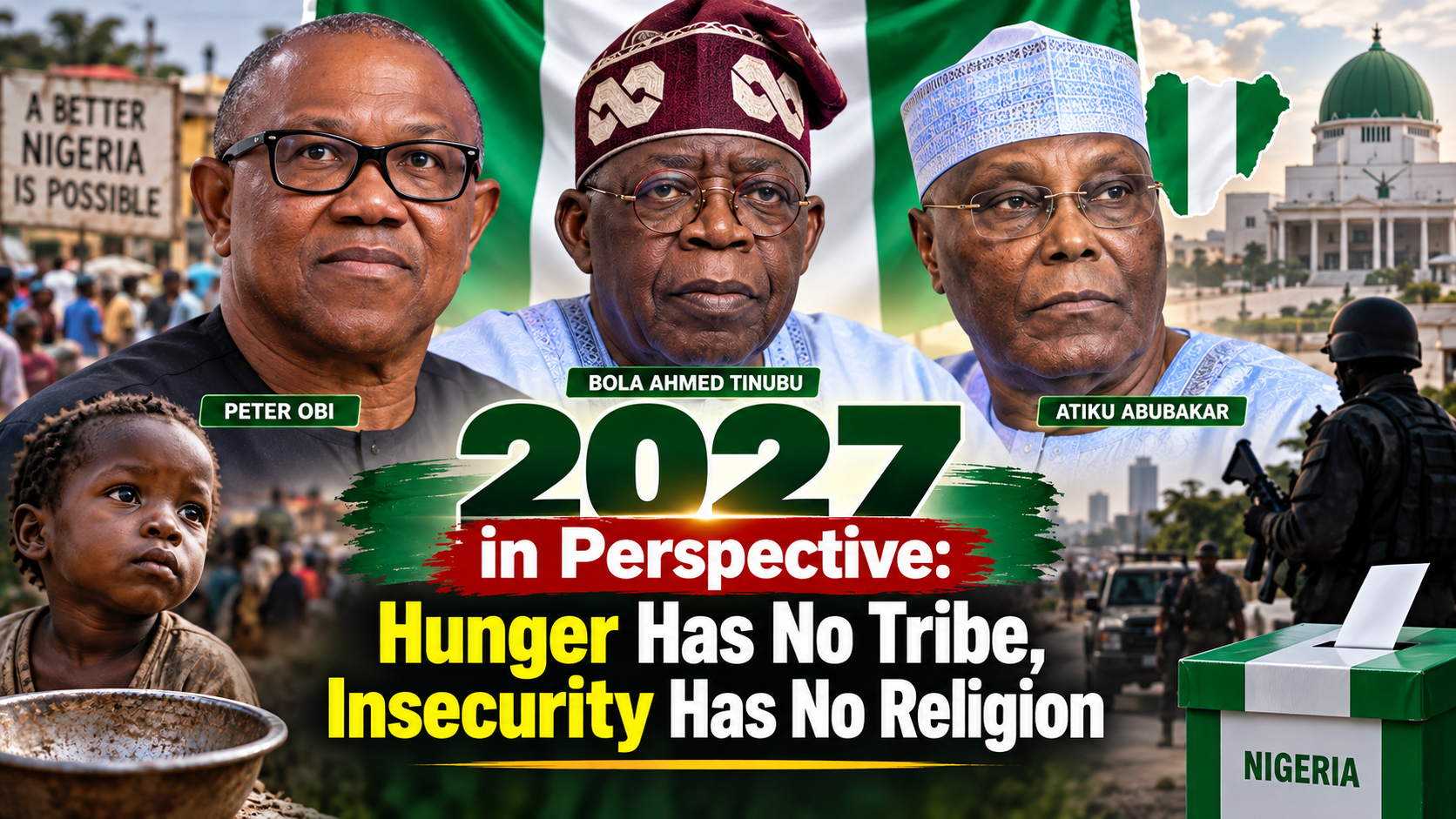
  • 2027 in Perspective  : Hunger Has No Tribe, Insecurity  Has  No  Religion

    2027 in Perspective  : Hunger Has No Tribe, Insecurity  Has  No  Religion

    “There is another obstacle Nigerians need to confront if democracy is to produce the kind of leadership the country needs. The politics of tribe, ethnicity and religion. These identities are rich and meaningful and they should be a  strength because they broaden our perspective. But too often our politics turns them into weapons. Asking where candidate comes from, which faith they practice, before  asking what they have done or what they can do. When we do that, identity replaces accountability, and leaders get a  free pass simply because they are seen as one of us”

    For some time now, I  have kept my voice away from Nigeria’s political conversation, my attention has been somewhere else, but as political activity  gathers momentum towards 2027, silence became increasingly difficult. The question before us is bigger than parties or political personalities. It is what does democracy mean if people can no longer feel its dividend in their daily lives? Democracy is more than elections on calendar, and it must also mean a meaningful voice, accountability, and  the conditions that allow people to live with dignity and hope.

    Democracy without dividend has consequences far beyond disappointment. When people can no longer feed their families or feel safe, desperation grows. That does not excuse criminality, but we can acknowledge that despair creates vulnerability such that armed gangs and criminal networks can exploit. And that expectations collapse and trust erodes, and people begin to question what is the point. Nigeria cannot afford to treat 2027 as another cycle of promises, it has to be that of accountability. Citizens ought and are entitled to ask, what was promised, what power was available, what was done, and what was left undone. This time, promises are not enough, evidence is. The same questions apply to all contenders and not only the government in power. Nigeria cannot afford another failed democratic moment. Not because history ends with this election, but because each squandered moment weakens institutions, deepens distrust and passes the scourge to yet another new generations, and that is why citizens deserve more than rhetoric. They deserve democracy and substance and not just the name.

    There is another obstacle Nigerians need to confront if democracy is to produce the kind of leadership the country needs. The politics of tribe, ethnicity and religion. These identities are rich and meaningful and they should be a  strength because they broaden our perspective. But too often our politics turns them into weapons. Asking where candidate comes from, which faith they practice, before  asking what they have done or what they can do. When we do that, identity replaces accountability, and leaders get a  free pass simply because they are seen as one of us. But hunger has no tribe, insecurity has no religion, and bad roads don’t check your language before they break your nose. So the challenge is not to erase who we are, but to insist that citizenship is greater than those differences. What matters first is competence, character, and accountability. Diversity can strengthen our democracy, but only if we stop allowing  using it to divide us.

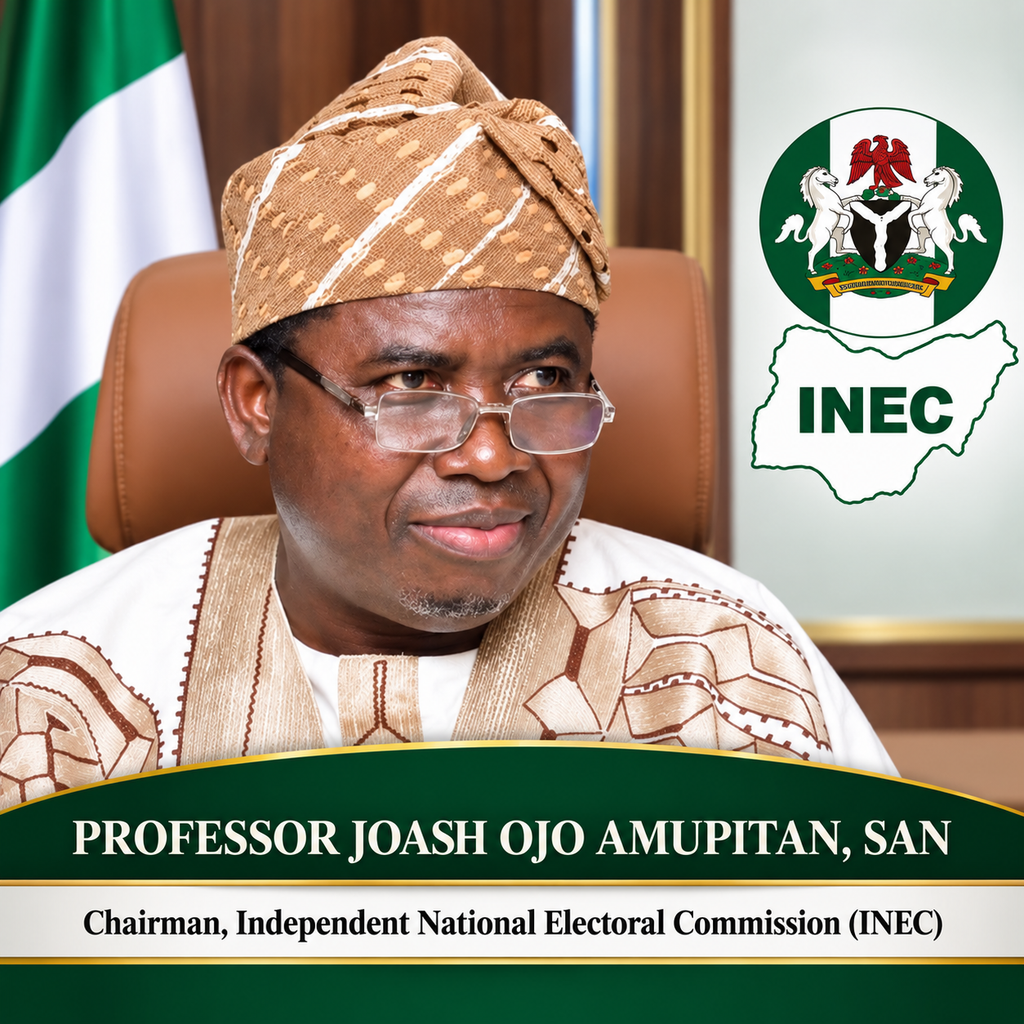
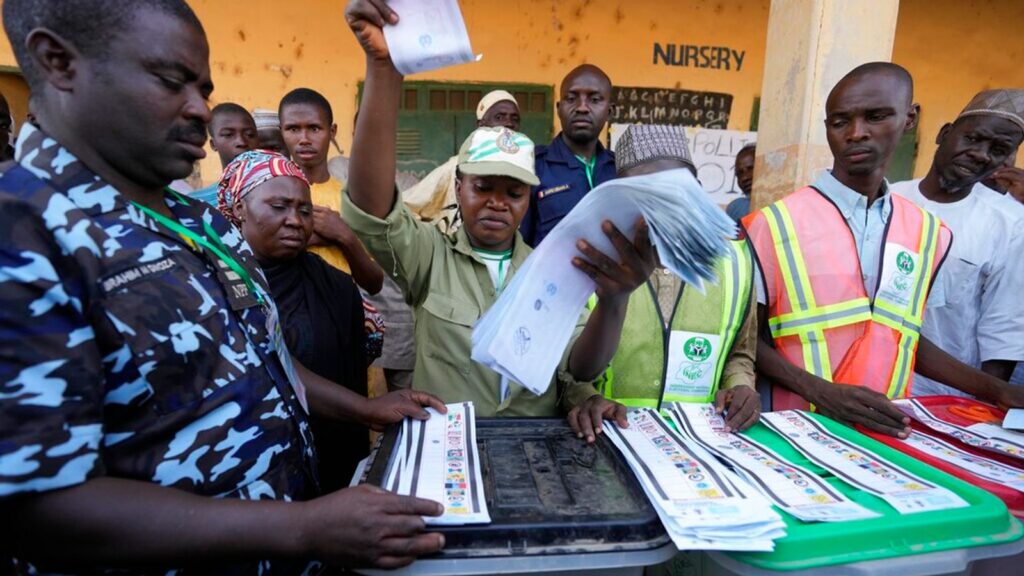
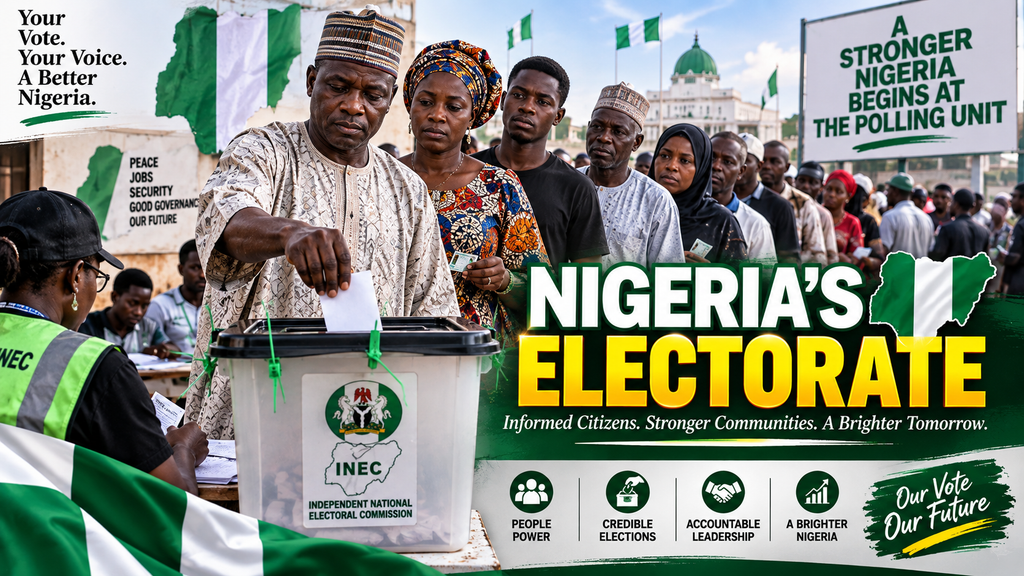
    Furthermore, with Nigerians rising above ethnic and religious divisions, scrutinizing candidates and casting votes conscientiously, the fundamental question remains, will their choices count? That is why INEC sits at the heart of the conversation, not because citizens should be asked to simply believe, but because trust has to be earned. The INEC chairman inherited an institution whose credibility was questioned in  2023 with acknowledged technical problems and assessment that shortcomings and transparency hampered public trust. That history means that trust can not be demanded,It must be rebuilt through transparency, consistency, and visible fairness. The real test in 2027 is not whether the winner applauds INEC or not, it is whether citizens across divide can look at the process and reasonably conclude that the same  rules applied to everyone. In a tensed and struggling society like Nigeria, INEC’s    duty is not to produce a  preferred winner, but to protect the voters choice. So that no Nigerian feels their vote was pointless. That is the responsibility  INEC  carries into 2027.

    The  Judiciary is often called the last hope of the common man, and it deserves to  be in the center of any conversation on democracy. Courts would inevitably hear election disputes,as  it is part of constitutional democracy, but ideally, courts resolve legal questions, but it does not become an arena where political outcomes are perceived to be decided.For that reason judicial independence is critical. Judges must owe no political debt. Justice has to be blind to tribe, religion and parties. Like INEC, the judiciary cannot command trust, it has to earn it. Trust is built when decisions  transparently rest  on law and evidence, when similar cases are treated alike, and when reasoning is clear to the public. The stakes go beyond politics. Confidence in court affects everyday citizen seeking justice and also shapes whether businesses feel contracts  would be enforced fairly. Perhaps what Nigerians need going into 2027 is not a  judiciary that promises outcomes, but one that convincingly demonstrates that it acts only through law. That makes courts the guardians of the process and  not substitutes for the voters choices. If both INEC and the Judiciary can credibly play their roles and the choice returns to where it belongs, the Nigerian people.

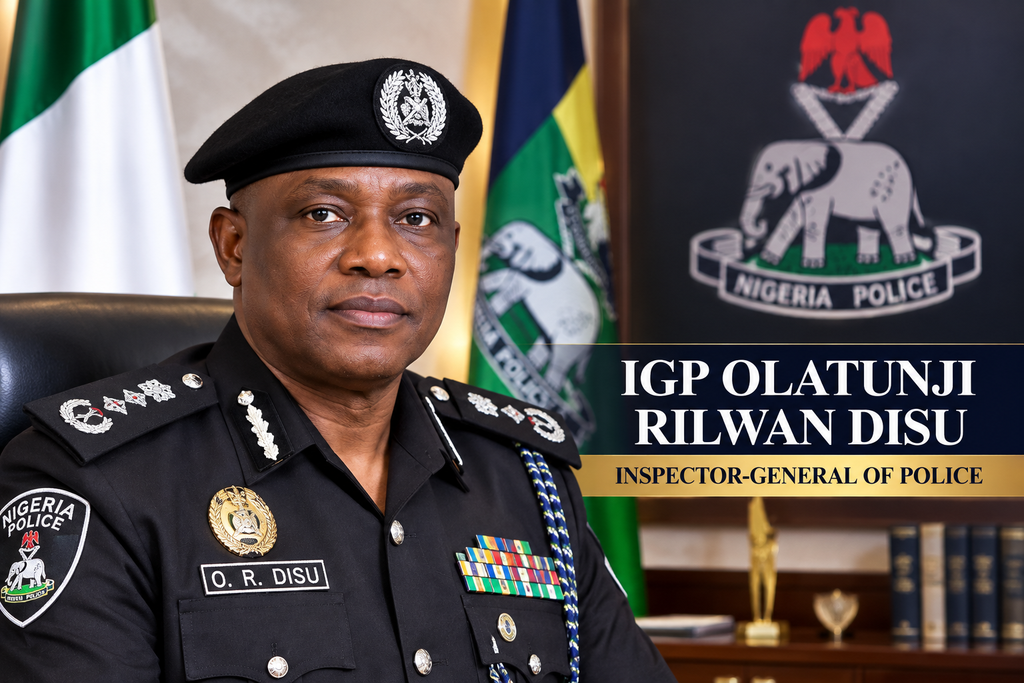
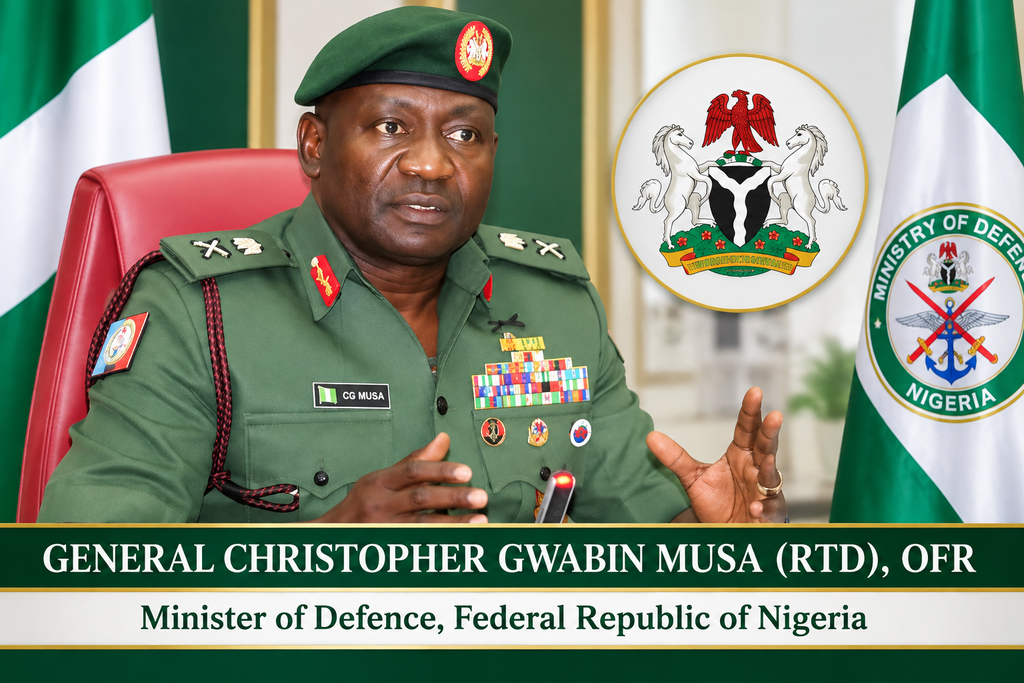
    In conclusion, there is also the crucial role of the security agencies, police, military, and others. During election, their loyalty is not to any party or candidate, but the constitution and the safety of the citizens. Their presence should give  confidence and not fear. They must protect voters and officials without any hint of partisanship. The uniform of the state should not become the colour of the campaigns. To General Christopher Musa who is now the minister of Defence and the Inspector General of Police, Olatunji Disu, history has placed a  burden on your shoulders, the men and women under your command, must  protect Nigerians and  not the electoral interests of any politicians whether incumbent or challenger. The uniform of the  Nigerian state should not  be  the  colour  of  any  campaigns. Let the police  be  police and the  military defend. Let  the  Nigerian people decide. Governments would come and go, but the integrity of  your institutions would be part of the history Nigerians write about 2027. He who fails to  change  his  mind  at the  port  may  sink in the sea.

    God  bless  Nigeria. 

    By  Samuel Tunji Adeyanju         .            
  • Fresh Controversy around Tinubu’s Academic Credentials

    Fresh Controversy around Tinubu’s Academic Credentials

    “As Nigerians reflect on the kind of future they want for the country, perhaps the important question to ask is not what is the minimum requirement by law, but what qualities should we expect from anyone who seeks the highest office, and what examples should national leaders set for the next generations. That conversation is worth having, not only during election, but any time we think of the future of Nigeria”

    Let me start with this quote; “Better to leave your son well instructed Than rich, for better are the hopes of the instructed than the wealth of the ignorant”.
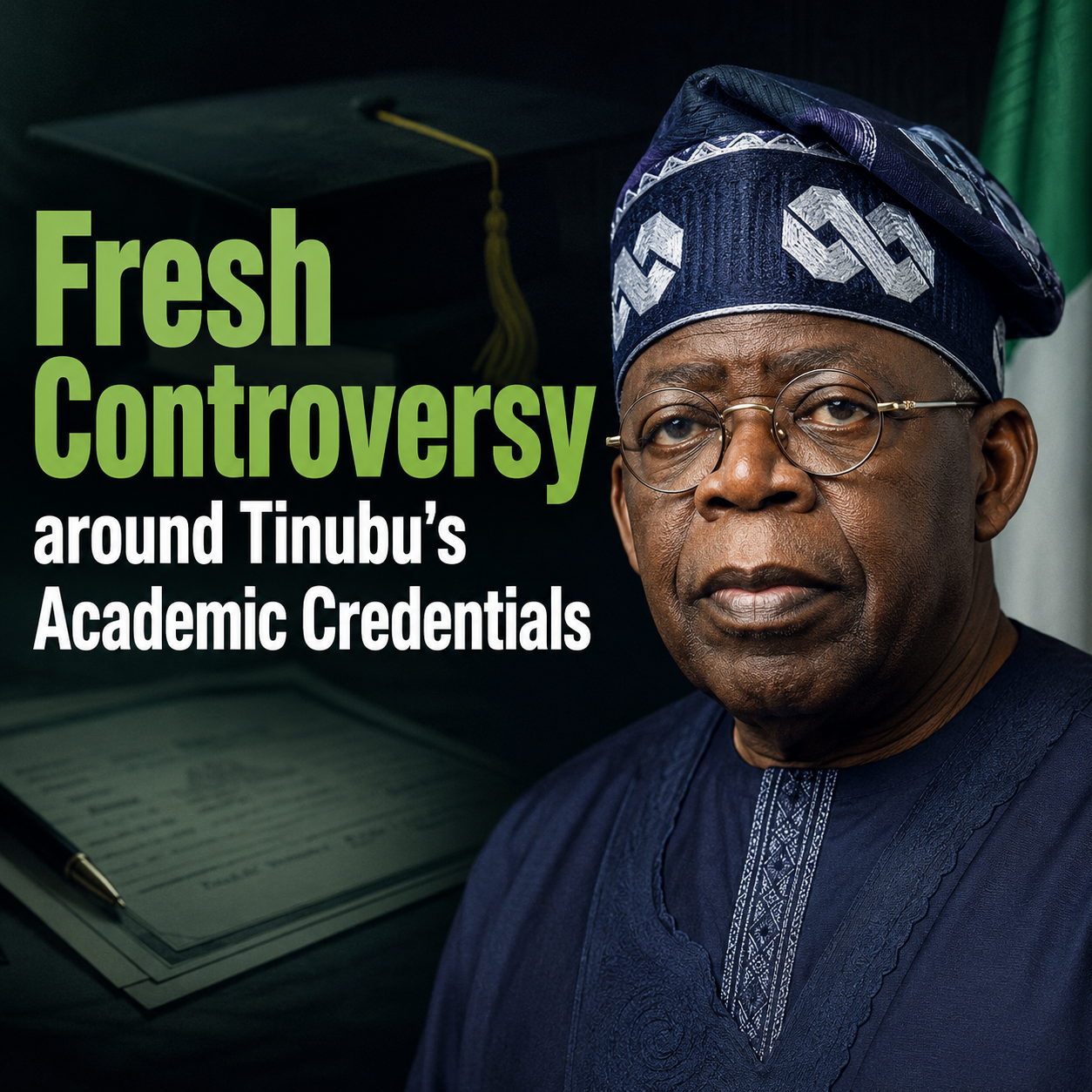
    Does education still matter in Nigerian leadership? A fresh debate has emerged in Nigeria following the publication by INEC of the presidential aspirants credentials. Many listed their education history from primary through university. However, President Bola Ahmed Tinubu’s published information has drawn public attention and comments because he listed his university qualification without his primary or secondary schools details unlike in 2023 when he listed all, making people think that probably he did that as a smart way of avoiding the controversy that trailed the investigations and discoveries made regarding the veracity of those claims. That raises a broader question beyond personalities. What role should education play in qualifying someone to lead a nation of more than 200 million people? The Nigerian constitution sets the legal baseline for candidates and that only answers the question of who is eligible to run, but legality and public expectations are not always the same. Supporters of President Tinubu point to his record and argue that results matter more than academic history. Critics countered that transparency at every level of a leaders background builds trust.

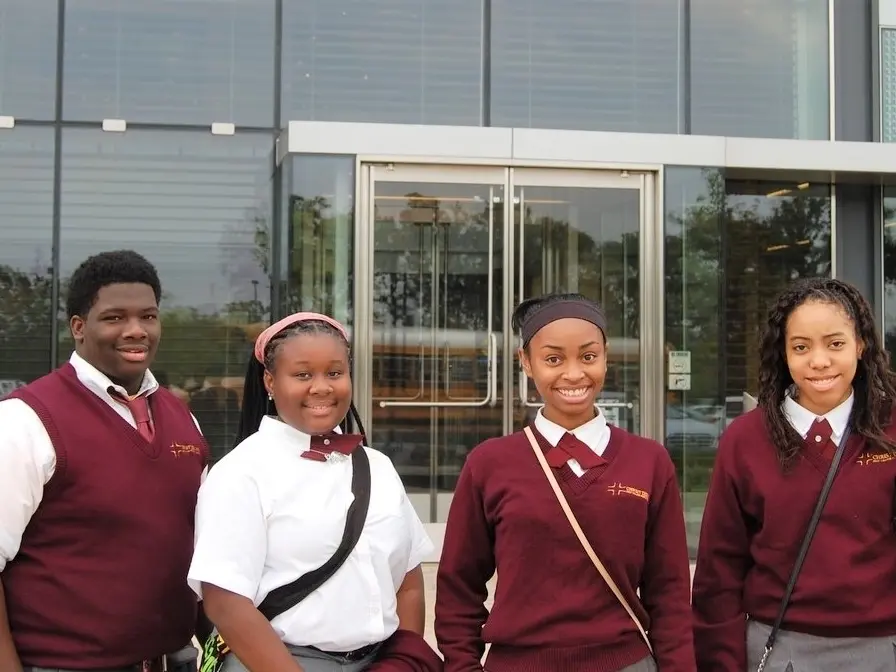
    Chicago High School Students

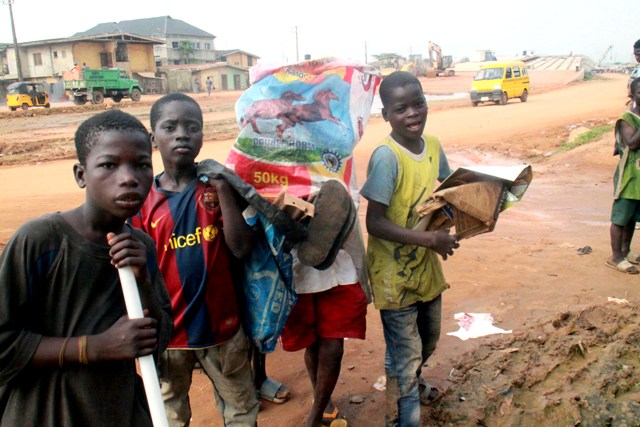
    Beyond politics, Nigeria faces a much deeper challenge. We are in a country with millions of out of school children, parents and teachers urge young people to stay in class to keep money and open doors, whereas at the same time, communities grapple with poverty ,insecurity, and limited opportunities. These problems have many causes but with no single solution. Nevertheless, education remains as one important piece of a couple. As Nigerians reflect on the kind of future they want for the country, perhaps the important question to ask is not what is the minimum requirement by law, but what qualities should we expect from anyone who seeks the highest office, and what examples should national leaders set for the next generations. That conversation is worth having, not only during election, but any time we think of the future of Nigeria.

    Nigeria’s out of school Children

    The important place that education occupies in the developmental drive of any country cannot be over-emphasized. Education shapes the mind, unlocks opportunity, and empowers individuals to live with purpose. It strengthens character, sharpens judgement, and nurtures curiousity. It equips people to fully participate in society, build resilient communities, and drive sustainable progress. At its heart, education is a public good that advances equity, dignity, and shared prosperity.
    Moreover, and on the other hand, the lack of education limits opportunity, weakens voice and traps talents behind barriers that could have been lifted.

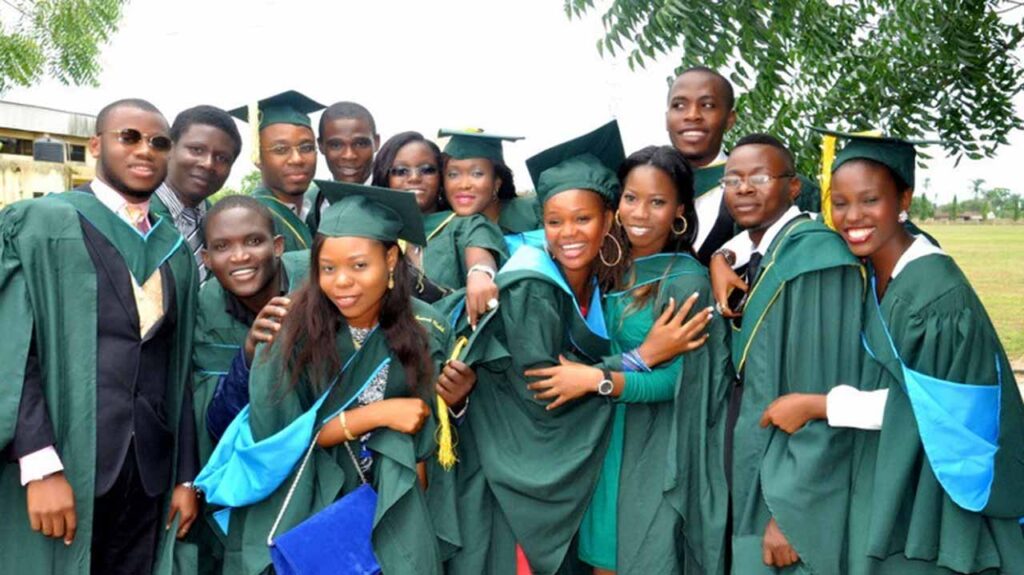
    Nigerian University Graduates

    It can fuel circles of poverty, limits civil participation and makes communities vulnerable to misinformation and exploitations. Without education, potential is doomed, progress slowed, and a whole society pays the price in lost innovation, weakened health and reduced stability. Education therefore is the best legacy and the pivot on which the wheels of developments, progress and stability in any nations rotate.
    God bless Nigeria.
    By Samuel Tunji Adeyanju
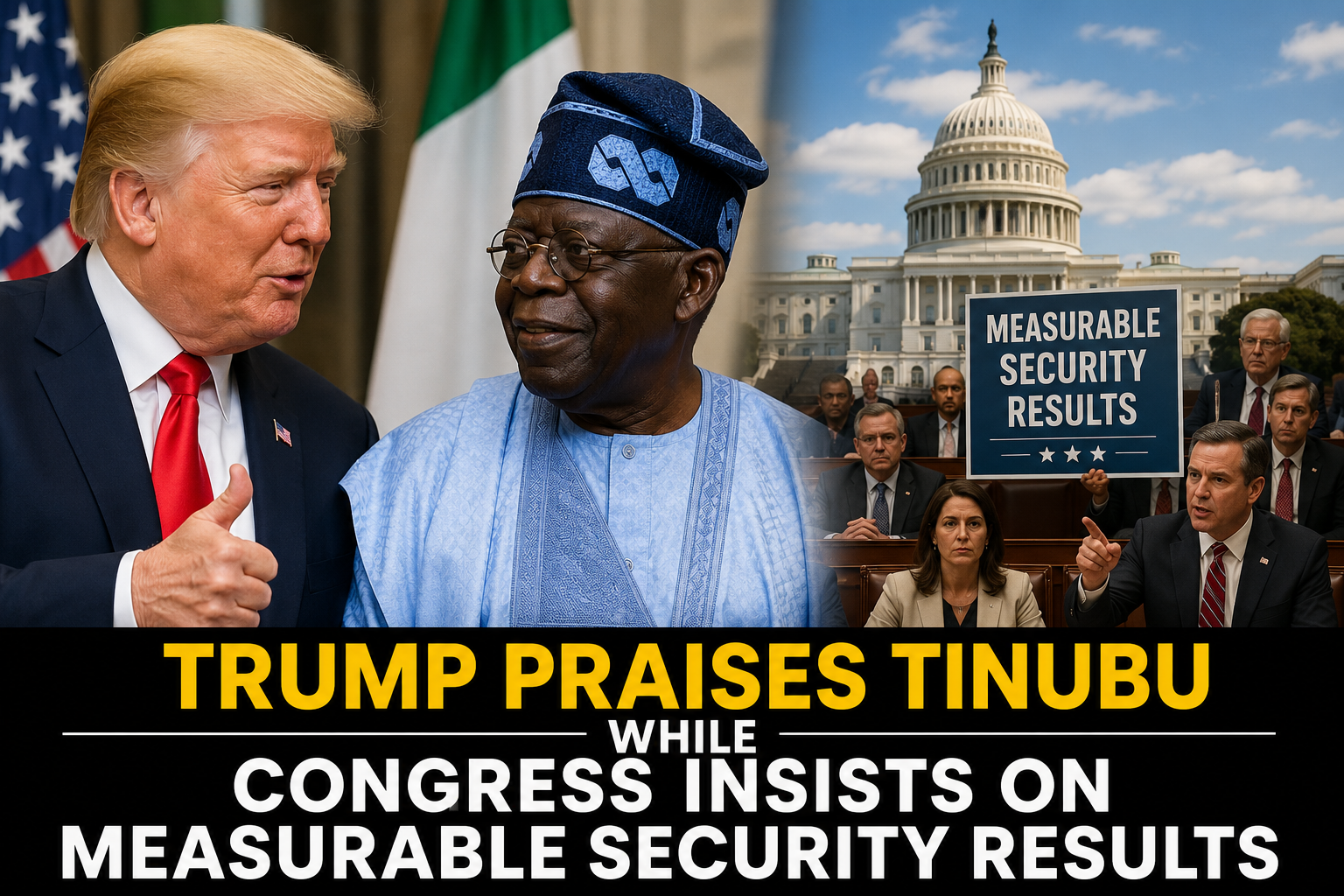
  • Trump Praises Tinubu While Congress Insists on Measurable Security Results  

    Trump Praises Tinubu While Congress Insists on Measurable Security Results  

    “Finally, President Trump, know respectfully that diplomatic praise is customary, but many Nigerians still judge progress by on the ground reality and that tangible improvements matter. To President Tinubu, understand that international praise is not a verdict, and lasting legitimacy comes first from citizen’s lived experience and measurable results. Diplomatic statements therefore should not substitute for evidence of real progress”

    The latest signals from Washington sent a mixed but not necessarily a contradictory message to President Tinubu. On one hand, President Trump has praised President Tinubu’s cooperation on counterterrorism, while on the other hand, congress is pressing for measurable security results before aid moves forward. One acknowledges cooperation, the other insists on measurable outcomes. It is important to note that while the President’s praise can shape the administrations diplomatic posture, he does not control the congress. Lawmakers could take cues from the White House, but they also act on their own assessments and priorities. So, it is possible for Trump’s stance to carry some weight, but not decisive weight. As it would be too soon to describe the situation as a stalemate just yet, for now it is more accurate to say that the White House and Congress are emphasizing different things, cooperation on one side, and measurable outcomes on the other. The key implication is one of interpretation. The praise can read as diplomatic recognition of cooperation and efforts from the government, but with citizens still facing violence, it may feel premature or out of step with daily realities. Ultimately for people on the ground, security is measured less by statements, and more by whether their communities actually become safer. As it is difficult to know President Trump’s motives from only just two events, with one as lavishing encomium on the first lady of Nigeria, Mrs. Oluremi Tinubu at a prayer breakfast in Washington on Thursday, February 5, 2026, and the most recent outpouring of praises on the husband President Tinubu.  As a few possibilities though, one is a diplomatic strategy that prioritizes maintaining a cooperative relationship with the government of Nigeria on security matters, another is that diplomatic signaling and domestic public sentiments often operate on different track. To many Nigerians, the timing of the praise may feel hard to reconcile with less insecurity, while diplomacy often serves broader strategic goals. However, the real test is whether any of that translates into tangible safety for ordinary people.

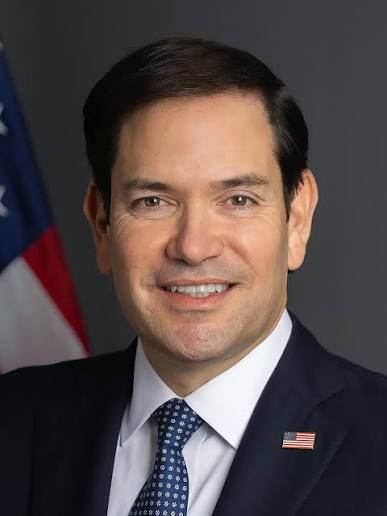
    Marco Rubio, US Secretary of State

    Moreover, what the US House has spoken on publicly centers on religious freedom and civilian protection, rather than the religious composition of Nigeria’s elective ticket. Why that emphasis, one may not be able to assert easily especially without evidence. But we can say categorically that the public focus has been on security outcomes and accountability and not the ticket’s religious balance. Furthermore, an important question raised by recent US statement is not only what Washington emphasizes, but also what it does not. This revelation is a call on all well-meaning citizens of the world to consider the difference between the concern about the structure of the government and concern about the government performance on security. In other words, the focus of President Trump’s public remark has been on what the government does and not how it is composed. His concerns are on whether the government is protecting the people, is it responding to violence, but  with no consideration yet for the possible negative effects of the moslem-moslem ticket of the government of the day regarding  performance on religious freedom, especially when one recalls that President Trump’s comments have placed particular emphasis on attacks on Nigerian Christians and religious freedom, but he has not properly focused on the composition of Nigeria’s leadership. That contrast raises an important question that is begging for answers.

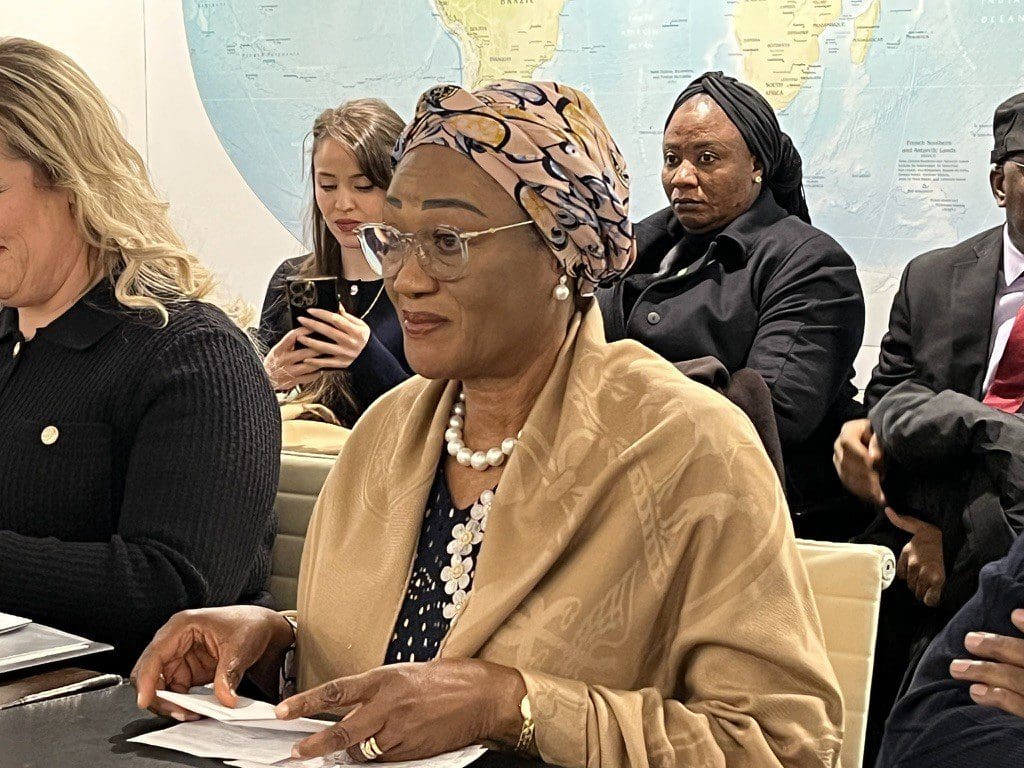
    Oluremi Tinubu at National Prayer Breakfast in Washington

    In conclusion, Nigerians need to understand this important reality which affects perception differently, and as we all know, perception affects positioning, and to this end, it is necessary to establish this important distinction. For instance, in the US, lobbying is a legal regulated practice with disclosure requirement and not the same as bribery. For example, many Nigerians associate lobbying with improper influence, whereas in the US, it is a regulated disclosed practice. Whether it is wise or effective is a separate question from whether it is lawful. This understanding keeps the legal fact and the public judgement distinct. In addition, a practice can be legal in one system, and still questioned as a matter of policy or priority. Remember that the 9 million dollars paid by the Nigerian government for that purpose which expired in June auto renews unless the contract is terminated. There is therefore no gainsaying the fact that the second round of the contract has already kicked in. The money is for a registered lobbying firm to present Nigeria’s position to US policy makers.  Explain what the government says it is doing on security and civilian protection and ensures the continued US engagement with Nigeria.  Formally, the money is payment for advocacy and communication and not payment to officials which would be illegal. Nonetheless, a fair policy question is whether spending 9 million dollars that way is the best use of public scarce resources, especially when citizens want to see tangible improvements at home.

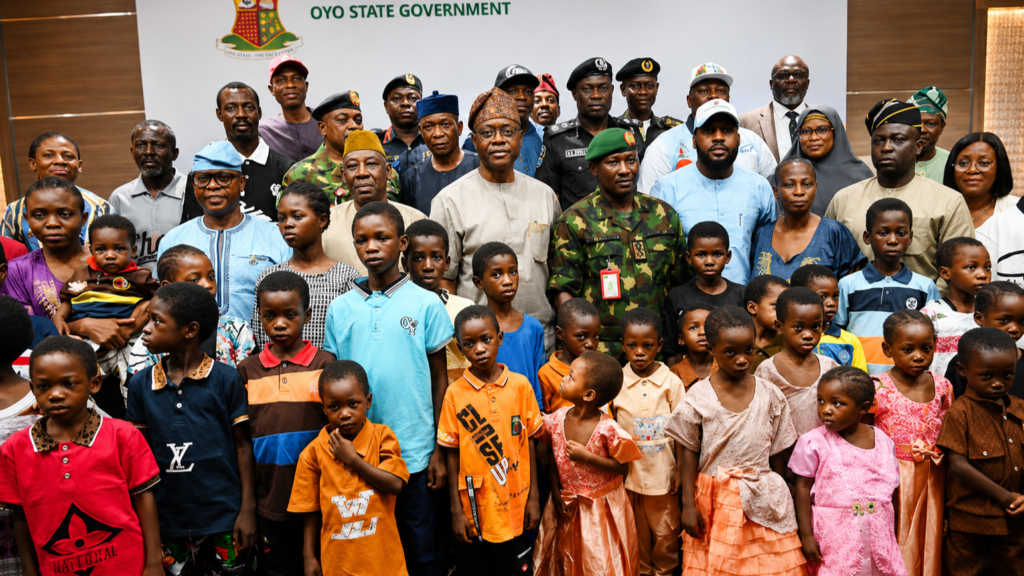
    The Released Oyo State Abductees

    With US pressing for better security and democracy, Nigeria still has things to bring to the table. Security cooperation is big, like Intel sharing on terror networks, regional stability and economic ties matter too. At the same, time US wants reforms. So, it is clearly mutual interest but not without its own frictions.

    Nigerians should understand the amendment that mandates the Secretary of State to present a concrete and verifiable evidence that Nigeria has performed creditably well in its primary functions which are the welfare of and the protection of the citizens and their property. Statements from one branch doesn’t replace Congress requirements. Even if the President speaks warmly, Congress still looks for its own evidence and whatever form of finding the law calls for. So, praise can be diplomacy, it is not a proof that all the boxes are checked. The Secretary of state is bound by the law and cannot play politics with legal requirements, and that is exactly where the constitutional mechanic kicks in. The Secretary of State is expected to follow the President’s overall policy line, but when Congress signs the certification requirements into law, that becomes the factual determination. So, if the law says; certify that the conditions are met, so the secretary has to accept that standard even if the President’s tone is supportive. In short, the secretary should meet the call grounded in the legal criteria and not simply echoes the praise. That is one of the checks built into the system.

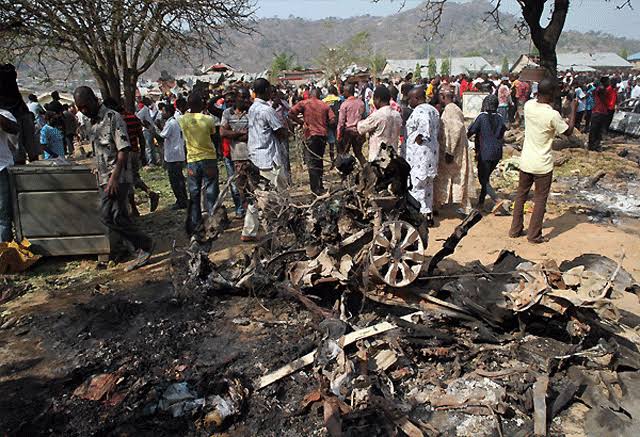
    Benue State Attack: The most Recent Attack on Benue People

    Finally, President Trump, know respectfully that diplomatic praise is customary, but many Nigerians still judge progress by on the ground reality and that tangible improvements matter. To President Tinubu, understand that international praise is not a verdict, and lasting legitimacy comes first from citizen’s lived experience and measurable results. Diplomatic statements therefore should not substitute for evidence of real progress.

    God bless Nigeria.

    By Samuel Tunji Adeyanju
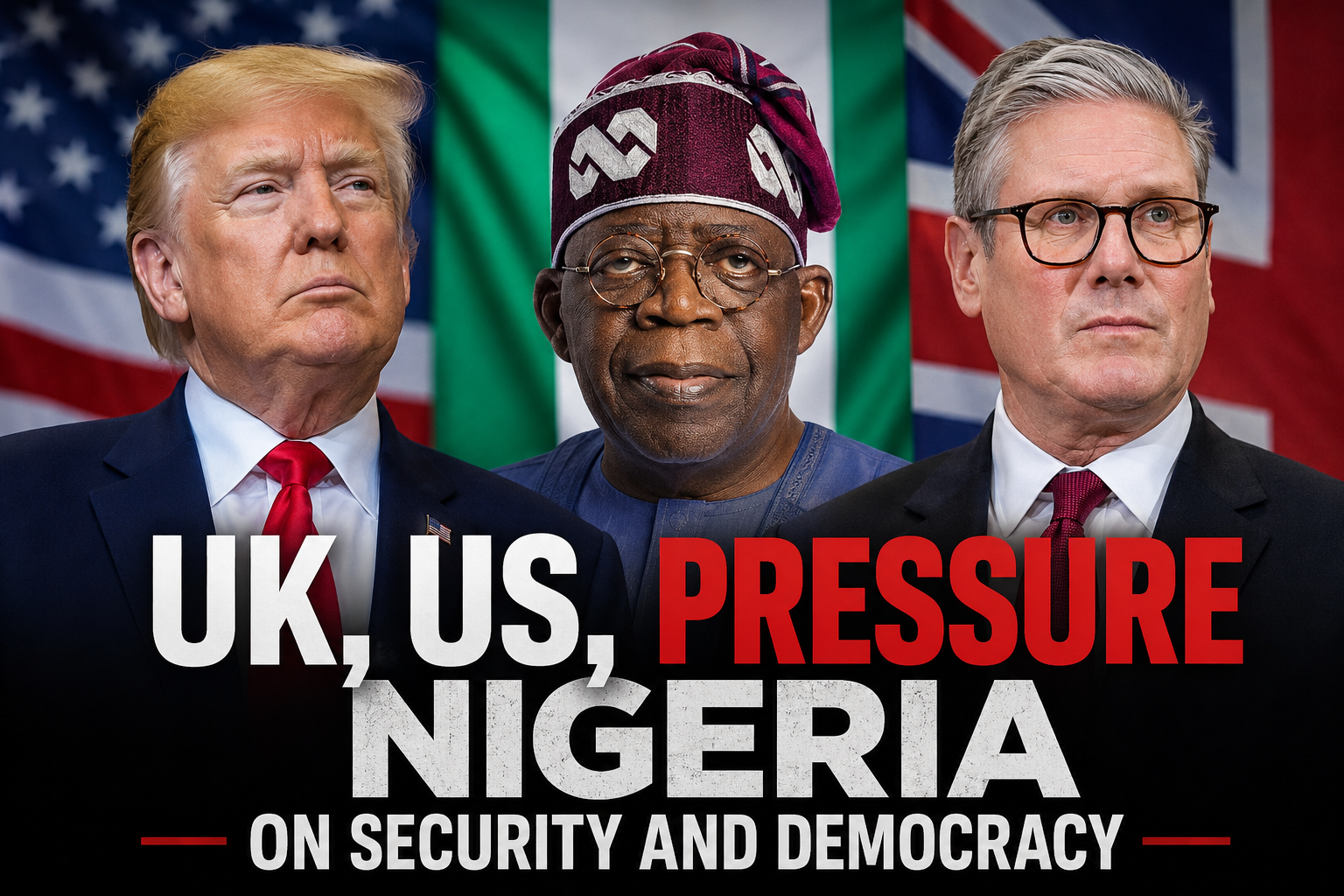
  • UK, US, Pressure Nigeria on Security and Democracy

    UK, US, Pressure Nigeria on Security and Democracy

    “It is clear that Britain is signaling attention to the integrity of the process, while the US discussion centers on security and religious freedom. Different focus, but together it means that there is a period of closer international scrutiny on both security and democratic processes”

     The country Nigeria is out of pivotal point with internal strains and external scrutiny converging, and the 2027 elections are shaping up as a major test. Security, credible elections and public trust are the pillars drawing attention from Washington and London. How Nigeria’s institutions demonstrate measurable progress in those areas, would likely shape both internal dynamics and international perceptions in the months ahead.

    You probably might have heard that the US House approved an amendment to withhold all aid unless the Secretary of State certifies that Nigeria is taking effective steps to prevent terrorism and to protect communities. Noteworthy is the fact that it is not yet final law, for still needing to pass through all the legislative process including the Senate. Nevertheless, some effective steps that can be taken include, demonstrable protection and accountability rather than ending terrorism overnight. However, ongoing attacks especially the recent attack on a community in Benue where more than 20 people were killed, could make that harder to demonstrate. Here a few factors converged, continued concern in congress about persistent attacks on Christians, a shift in US policy directions and priorities under the current administration, and a sense among some law makers that past engagements haven’t produced any hope for changes. They seemed to reflect frustration with the status-quo. They attempt to use leverage more than a direct response to Nigeria’s elections calenda.

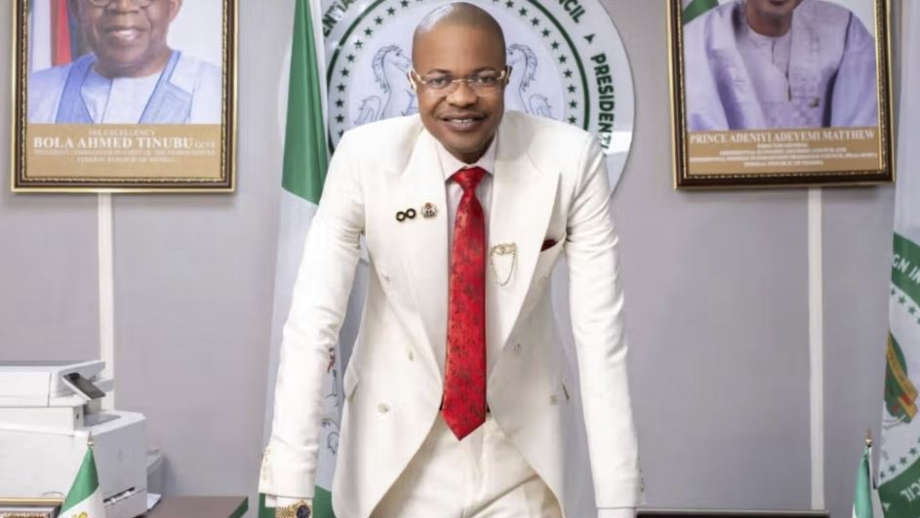
    Prince Adeniyi Adeyemi: The Director General of the Fake Agency

    Earlier this year, the UK said in parliament, that it is closely monitoring Nigeria’s preparations for the 2027 elections, and plans to deploy election observers and work with Civil Society Organizations and INEC, and just days ago, the British High Commissioner met INEC to reiterate that the Uk is monitoring and wants to understand INEC’s preparations. It is clear that Britain is signaling attention to the integrity of the process, while the US discussion centers on security and religious freedom. Different focus, but together it means that there is a period of closer international scrutiny on both security and democratic processes. This is something to watch closely, and not a verdict on the election outcomes by itself.

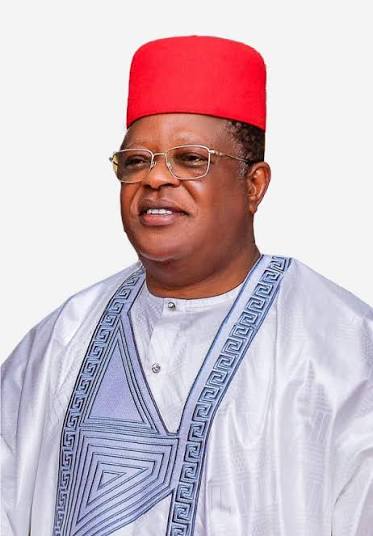
    However, the recent controversy surrounding the alleged Presidential Foreign Intervention Promotion Council, headed by Prince Adeniyi Adeyemi Mathew who is now detained by the ICPC, and the reported death of a young woman, Mary Habilla, linked to the house of the minister of works, Senator David Umahi, have brought transparency, accountability, and public trust back into focus. The alleged fake agency episode matters not just because of the conflicting claims around it, but because it raises systemic questions, specifically, how a body later described as non-existent could reportedly gained some form of official recognition. That points to possible gaps in administrative checks and highlights the need for stronger safeguards, regardless of where the faults land. The second incident, involving a death under circumstances that have drawn public attention, presents a different challenge. Without clear and timely public information in a sensitive matter, speculation can flourish and trust erodes even before any findings are made. In such cases, the expectation is for a process that is demonstrably thorough, credible and prompt, one that can establish facts and reassure the public. Taken together, these episodes show that credibility depends not on the conduct of the individuals, but on the robustness of institutions and the openness of the official response. In a democracy, public confidence is sustained when due process is visible, communication is clear, and the rule of law is seen to apply evenly. How these matters are resolved may shape not only domestic confidence, also international perception.

    David Umahi: The Embattled Minister of Works

    There is no gainsaying the fact that Nigeria is faced with a tangle of multiple overlapping issue; insurgency in the Northeast, banditry and kidnapping in the Northwest, communal conflicts in the middle belt, and separatist tension in the Southeast. When several crises overlap, even real efforts can feel invisible if institutions and resources are stretched thin. That is not to say that nothing has been done, but that the scale of the problem keeps outpacing the responses so far. That is why outside pressure sometimes enters the picture. The interplay between local realities and outside pressure is messy. At this point, it is not as if Nigeria has no options, but the options are tough. The argument is strongest when backed by evidences and not just assurances. Therefore, the most realistic path may be to produce verifiable results, clear investigations, protection for high-risk areas, and transparent cooperation that outsiders can verify. If the security picture does not improve, the diplomatic case is hard to make, but not impossible. Those kinds of internal issues matter because they can affect public trust in institutions. Allegations around a non-existent agency receiving funds, or a high-profile death linked to the official convoy raise questions about transparency, investigation and accountability. Without presuming outcomes, it becomes part of a broader test whether institutions can respond credibly and as a part of governance and public confidence dimension, vis a vis security and electoral credibility. It is less about any one allegation, but more about how institutions handle such tests. For a high level advice, I keep it all to principles; demonstrable actions on security and accountability, transparent investigations when controversies arise, and a strong and credible electoral process going into 2027, with clear communication to citizens and partners. The emphasis here is on verifiable steps and public trust rather than rhetoric.

    Mary Habila: The Deceased Lady Linked to David Umahi

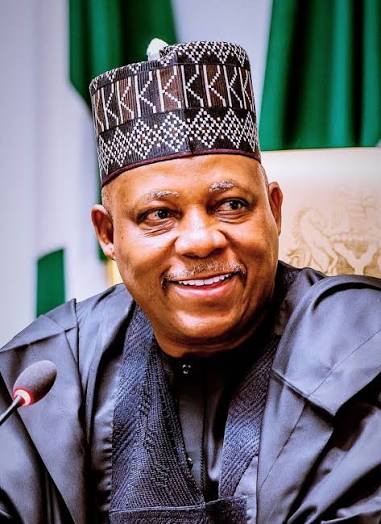
    Ultimately, it is up to Nigeria’s institutions and people to define that path, by rejecting the moslem-moslem ticket of Tinubu and Shettima as a first step to proving to America the seriousness about efforts in the direction of ensuring religious freedom. It is important also, to refuse the renewal of failure of the All Progressive Congress Party (APC) and their directionless leader, Bola Ahmed Tinbu, that Nigerians may breathe.

    Vice President Kashim Shettima: A Beneficiary of the Moslem-Moslem Ticket

    The sudden withdrawal of the American soldiers from Nigeria and the plan to sanction Nigeria on security matters, is a testament to what is hidden behind the veil which the ordinary Nigerians cannot see with their naked eyes.

    God bless Nigeria.

    By Samuel Tunji Adeyanju   
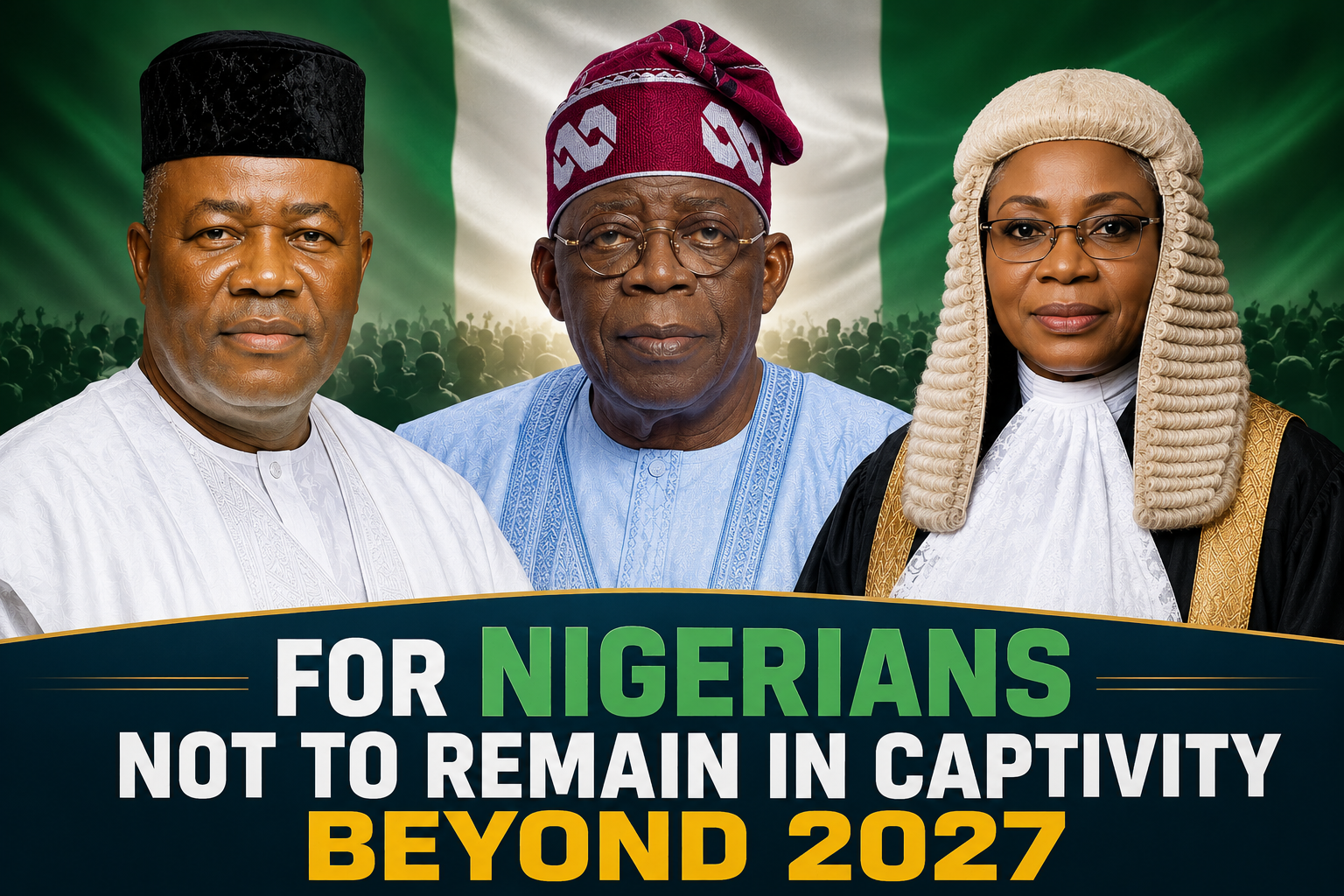
  • For Nigerians not to Remain in Captivity Beyond 2027

    For Nigerians not to Remain in Captivity Beyond 2027

    “All these problems Tinubu inherited from himself, so by reason of the role he played in the administration of his predecessor, Muhammadu Buhari, he cannot absolve himself of all the problems and blames of the Buhari era. With the pains that Nigerians have gone through in the hands of the APC since 2015 in hunger, insecurity and high cost of living, unemployment and hopelessness, allowing these rats to remain in the barn of Nigeria would spell doom, and may result in the avoidable burning down of the barn”.

     One major thing that bothers me about Nigeria as a country, is how suddenly the people’s moral standards; ethical behavioural expectations dropped drastically, giving a room to actions that are capable of stagnating the nation in all areas of developments. For instance, no one could have imagined how seamless it was for the governors who dumped the parties that gave them the platforms to use to be elected into offices and joined the ruling party, APC. The actions of the governors can feel like a breach of trust. Morally, the people who voted for them on one platform felt let down as it can seem like personal gains have been prioritized over the public mandate. Socially, their actions can deepen cynicism, making people feel like their votes don’t matter. Politically, it can weaken opposition, reducing checks and balances. Over all, it undermines trust in the system, making people beginning to wonder about who truly represents them. I think the best response is to stay active and vocal. Citizens can hold those leaders accountable, through peaceful protest, speaking out in the media, and even start recall campaigns if possible. Most importantly, they can use the next elections to vote for candidates who truly stick to their promises.

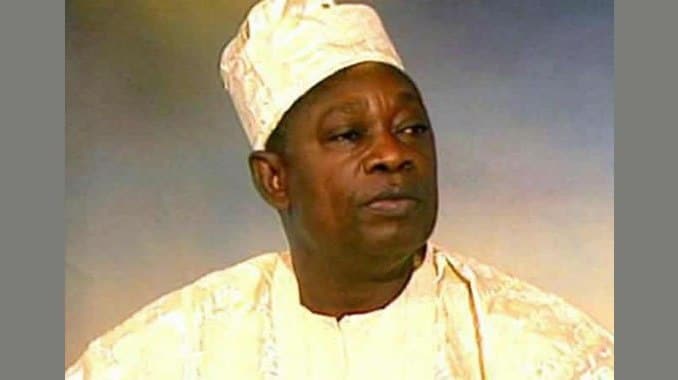
    MKO:A Symbol of Democracy in Nigeria
    MKO:A Symbol of Democracy in Nigeria

    In short, speak up, organize, and remember when it is time to vote again. This kind of political behaviour is a testament of how the recklessness of Tinubu is undermining democracy. That is just in one area of life. Nothing has been said about insecurity, economic crisis and the elephant in the room which is corruption. All these problems Tinubu inherited from himself, so by reason of the role he played in the administration of his predecessor, Muhammadu Buhari, he cannot absolve himself of all the problems and blames of the Buhari era. With the pains that Nigerians have gone through in the hands of the APC since 2015 in hunger, insecurity and high cost of living, unemployment and hopelessness, allowing these rats to remain in the barn of Nigeria would spell doom, and may result in the avoidable burning down of the barn.

    Time is fleeting, yet constant. When we plan, we give time purpose. When we procrastinate, we let it slip away. The difference between dream realized and the dream deferred, is how we use each moment. Time does not wait, but if we respect it and act with intention it rewards us.

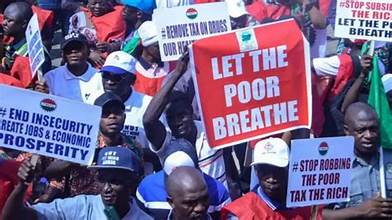
    Protests against Bad Governance and Hunger
    Protests against Bad Governance and Hunger

    To rescue Nigeria from the hand of the oppressors who call themselves leaders, I think the key is starting now; building consistent dialogue at the grassroot level, creating safe places for people to exchange ideas, and demanding accountability from now. Encourage community – led initiatives, promote voter education, and ensure everyone feels their voice counts. Also, shining a light on positive examples of change no matter how small, can inspire belief. If people see their actions making waves now, they would feel ownership of 2027. It is about starting early, consistently, and with hope.

    In Nigeria for instance, where education gap is real, the unifying theme for mobilization could be dignity. Dignity through economic fairness, education and security. Practical mobilization would mean grassroot voter education, not just abstract civic duties, but showing how voting impacts everyday survival. Community based food or skills initiatives can accompany these conversations. Practical no how tied to empowerment. Building broad coalition, religious, traditional, and youth leaders can amplify the message. On insisting on accountability, demanding transparency on how resources are used, can make the government feel that the people are serious and united in their expectations. However, if everyone whether from the north, south, young or old, can agree on one thing; “we want leaders who are honest about how they spend money and who actually help people. When everyone pushes for one thing, the government feels the pressure to act right”.

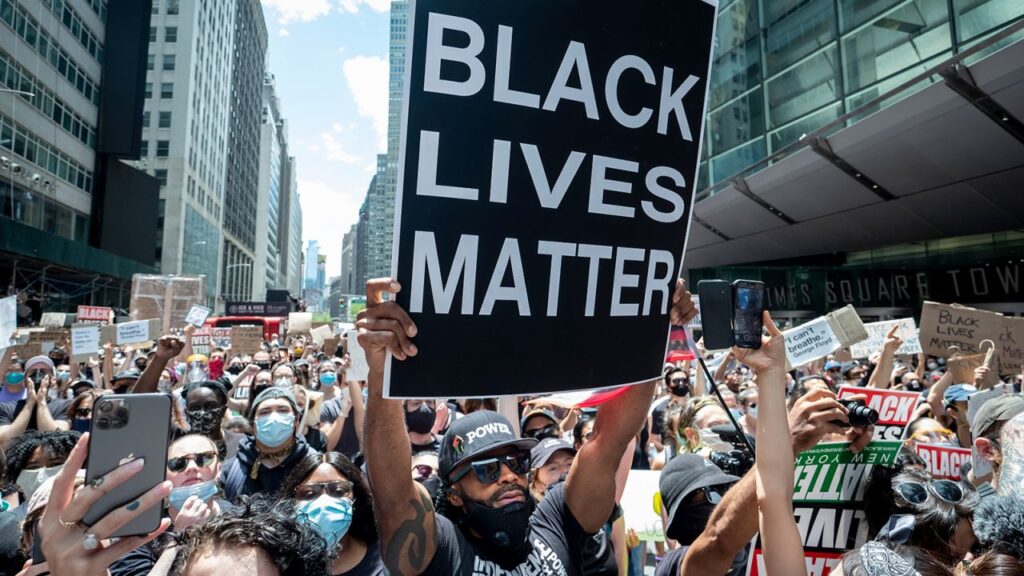
    Black Lives Matter in America
    Black Lives Matter in America

    The social media can also be used to harness the disaffection of the Nigerian youths, but on the ground of making maximum use of the social media. For instance, social media works best when it tells real stories, showing how every day’s people’s lives can improve. It’s not about arguing, but about sharing success stories, like when a community stands together, or when someone helps others. People can use it to educate others on voting, to factcheck politicians, and still unite around shared goals like dignity or fairness. The key is keeping the content positive and practical, so that people don’t just get frustrated, but actually feel inspired to act. The theme of dignity and prosperity for all, speaks to the desire for fairness, basic needs met, and a future where everyone no matter their region, has a chance on a decent life. It is a positive call that can unite people across divides, and focusing on what everyone hopes for, a dignified prosperous future. Nigerians can turn their frustrations into constructive actions. This is achievable through peaceful protests, community organizing and advocacy can amplify their voices. They should demand transparency pushing for independent election monitoring, and accountability. Engaging with civil society, legal bodies, and the media helps spotlight concerns. It is very important to start early, educating and mobilizing voters well ahead of time. It is about turning anger into collective action, ensuring their voices can’t be ignored. The goal is about engendering collective action, transforming anger into visible organized pressure for a fairer election. Some powerful examples of how collective action yielded positive transformative change include; the pro-democracy protest in Tunisia that kicked off the Arab springs, and the youth led activism in Chile which led to the creation of a new constitution. Even in the United States, the Black Lives Matter has had a significant impact on policy, awareness and political engagements. Each of this shows how mobilization can push for real meaningful change. Going forward and for want of time, it is incumbent upon Nigerians to first, build civic engagement, support free media, join community groups, and hold leaders accountable. Second, mobilize peacefully, educate voters, register people and monitor elections. Third, foster dialogue between groups to reduce tension and finally, pressure institutions, like the Judiciary to stay independent. In short, stay involved, informed, and work together peacefully for a better future.

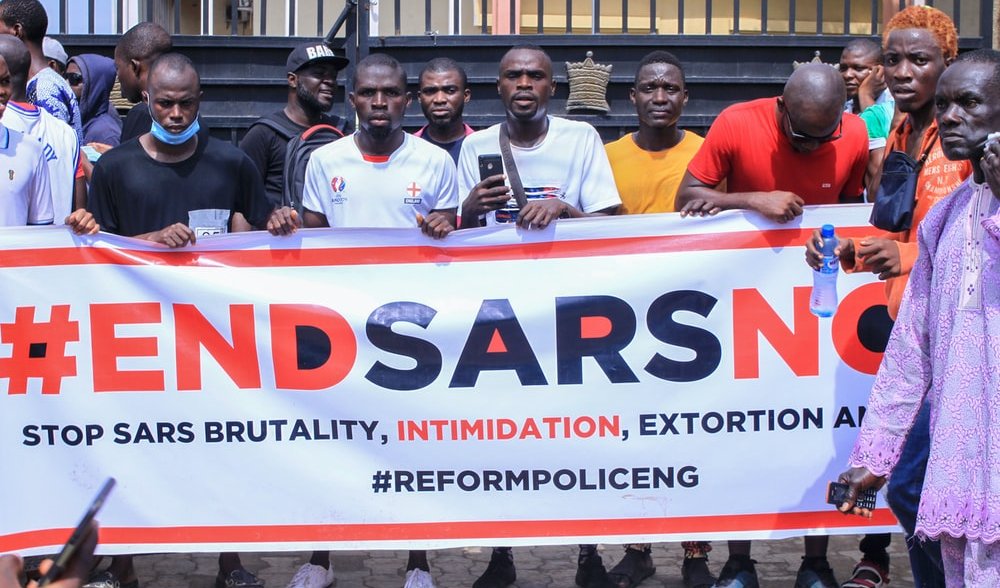
    End SARS in Nigeria
    End SARS in Nigeria

    On a final note, what is as certain as death is that, Nigerians cannot survive another 4 years of terrorism, banditry, economic hardship and uncertainty in the hands of the APC and the Tinubu led administration, especially, because Nigeria as a country is already in the critical intensive unit gasping for breath. It is time to turn resilience to resistance.

    God bless Nigeria.

    By Samuel Tunji Adeyanju
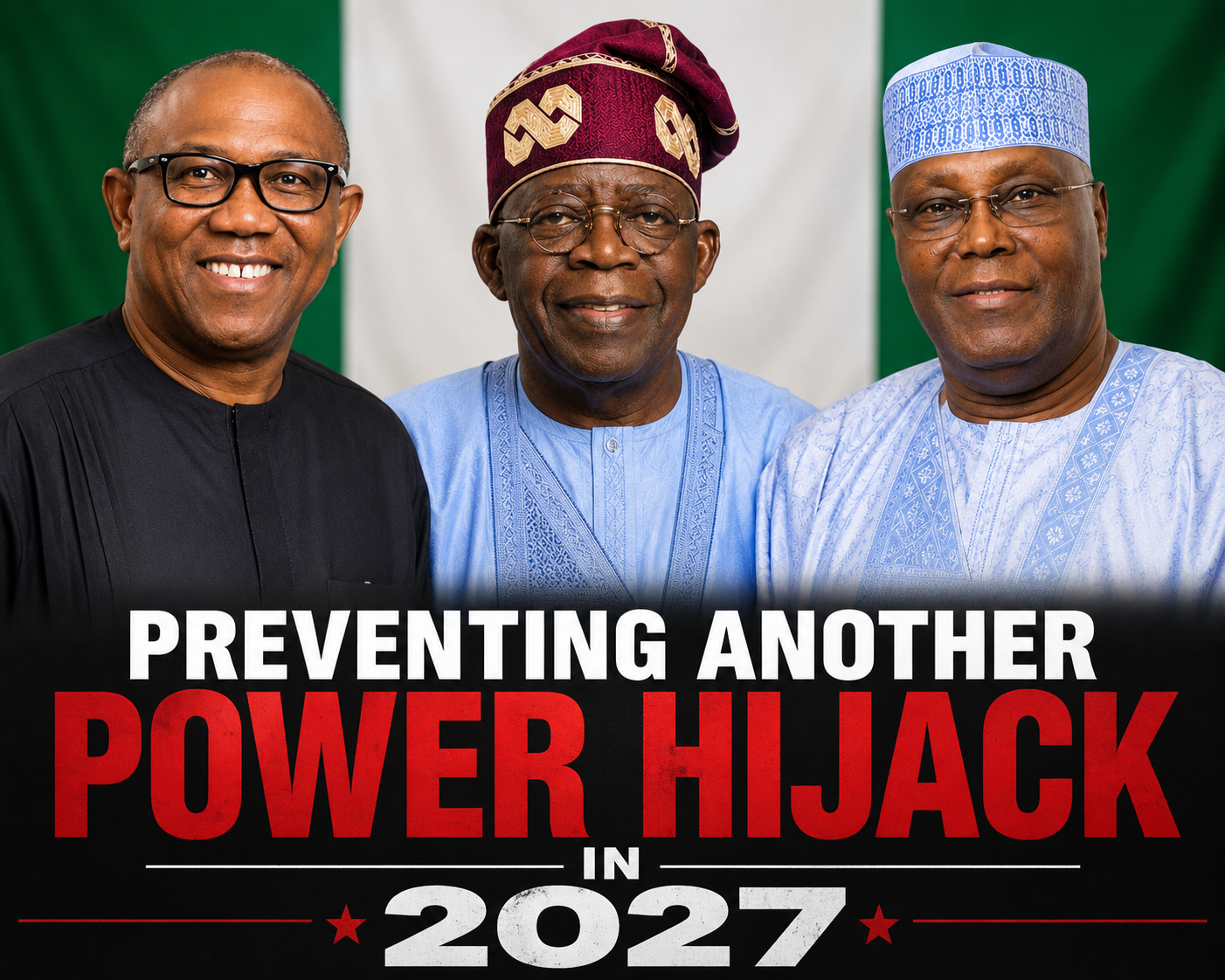
  • Preventing Another Power Hijack in 2027

    Preventing Another Power Hijack in 2027

    “Despite the possession of an array of competent southern candidates, a fractured approach risks handing advantage back to the ruling party. If the opposition unite, acknowledging the historical South-north power sharing agreement, they stand the chance to harness the national dissatisfaction. A unified opposition can present a credible reform-minded opposition, challenging the ruling party’s lack of performance”.

    Even the blind can attest to the fact that the political terrain of Nigeria is dangerously slippery, and those in power who keep denying the reality of what Nigerians face daily especially in hunger, insecurity, banditry and all other forms of criminality, should be asked if they need to be blind to see.

    Bola Ahmed Tinubu

    Nigeria’s political terrain is deeply rooted in a complex historical balance between the north and south. Since independence, the country has often cycled through agreements to ensure power sharing with the tacit understanding that after a northern presidency, the south would be allowed to complete its term. This balance gave way to a delicate rotation, and yet in recent years the political equilibrium has been strained. In the current climate, the ruling party has strategically leverage northern paradoxes. The opposition governors once aligned with parties like the PDP or Labour have been corded through patronage or subtle pressure, drawing them toward the ruling fold. The situation has been further compounded by the allegations that INEC, the supposed neutral umpire is subject to bias and the allegations of rigging and manipulations have eroded trust in the electoral process even before 2027. Amidst these, the stakes for the opposition cannot be higher. Despite the possession of an array of competent southern candidates, a fractured approach risks handing advantage back to the ruling party. If the opposition unite, acknowledging the historical South-north power sharing agreement, they stand the chance to harness the national dissatisfaction. A unified opposition can present a credible reform-minded opposition, challenging the ruling party’s lack of performance. In this crucial moment, unity is not only strategic, it is a lifeline for a Nigeria ready to reclaim its democratic promise.

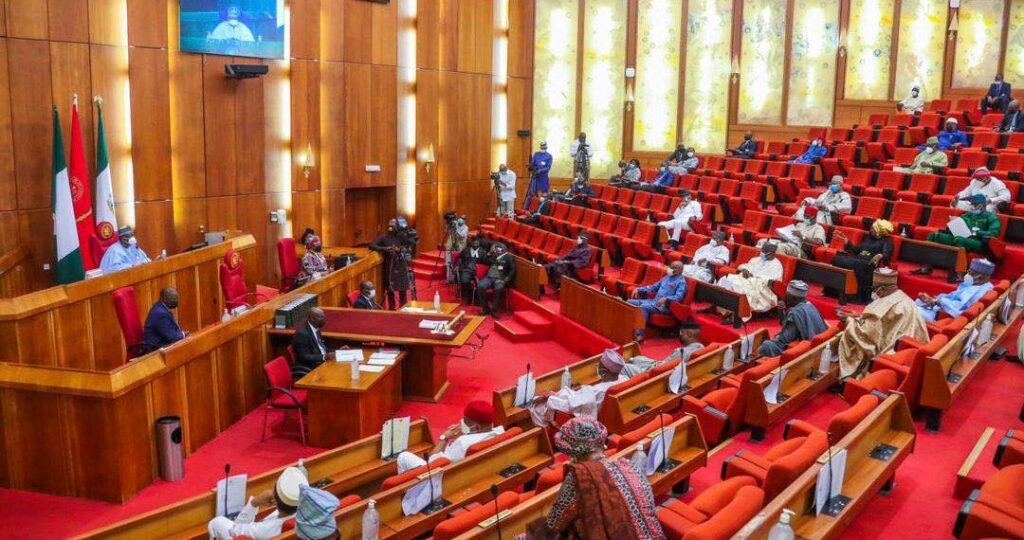
    National House of Assembly
    National House of Assembly

    After spending three years in office since 2023, the unresolved problems by the Tinubu administration remain and the issues are; security crisis, economic crisis and youth unemployment. Despite efforts, violence from bandits and insurgents still plagues the north, while the rising cost of living due to fuel subsidy removal and inflation have left many Nigerians struggling. Healthcare access is also a problem with the mass exodus of medical workers abroad and the overall trust in institutions and government continuing to erode, leaving many Nigerians disillusioned. The ruling party at this juncture, needs to recognize that if they continue to fail in addressing these core issues; security, economic hardship and healthcare, they risk a total erosion of trust. Nigerians are increasingly disillusioned and if they don’t see any real solutions, the risk is that the opposition would not only gain ground, they might ignite a broader popular movement that pushes for real change.

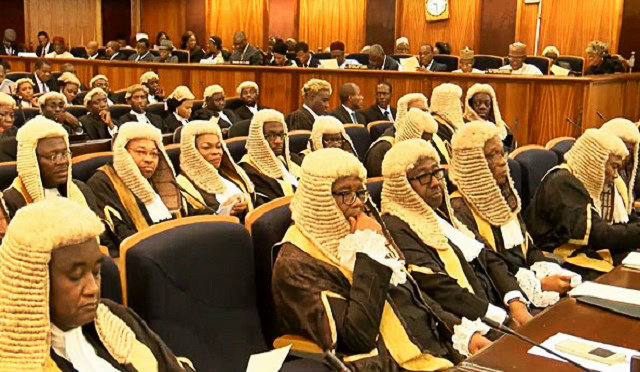
    Judiciary
    Judiciary

    However, with the ruling party’s resistance to reforms by manipulating institutions like the National Assembly, the Judiciary, and INEC, citizens need to stay fully engaged through active mobilization, keep demanding transparency, and holding leaders accountable. By so doing, they can push back against attempts to suppress the democratic process. The people really have the power if they stay organized and remain vigilant. Moreover, to prevent the repeat of the hijack of power as experienced in 2023 in 2027, there is the urgent need to partner with the existing elections monitoring coalition like the Nigeria civil society situation room, leveraging digital tools on social media for youths’ mobilization and collaboration with women’s groups like the Nigeria Women Trust Fund.

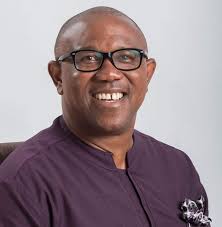
    Peter Obi

    The excesses of the security agencies can be checkmated by strengthening oversight body, ensuring legal protection like constitutional rights against arbitrary arrests and engaging a civil initiative that monitors misconducts. Citizens can also use freedom of information tool and build community policing partnership to foster trust and accountability. As Nigerians stay engaged, they should also focus on long-term reforms. They should keep voting, demand for accountability and community resilience, so that even if there are setbacks, they are not completely left powerless, because the future really depends on collective actions.

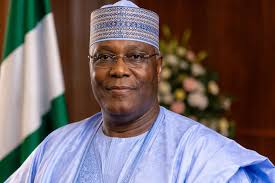
    Atiku Abubakar

    On a final note, Atiku Abubakar, your years of service are undeniable and have become part of Nigeria’s history, but the future of Nigeria now calls for new energy, fresh vision and unity. The nation is at a turning point, and by stepping aside, you would be remembered not for a final defeat, but for your greatest act of statesmanship, passing the baton and ensuring a united Southern leadership. Let this be your legacy of hope. Better to be remembered as a builder and king maker, than a spoiler and destroyer. God bless Nigeria.

    By Samuel Tunji Adeyanju
  • The Leader that the Conditions of Nigeria Prescribe

    The Leader that the Conditions of Nigeria Prescribe

    “Where government just pushes forward despite public outcry, ignoring people’s needs and even suppressing dissent, that is not the break-down of rationale democracy, it is a risk of authoritarianism, which historically has led to civil instability, protracted protests, uprising and even the collapse of systems”

    The innate ability to think as opposed to dependence on instinct, is what makes the difference between humans and animals. Animals predominantly live by instinct. Their behaviours are driven by immediate survival needs like seeking food, avoiding dangers without a conscious analysis. Humans on the other hand, have evolved to integrate reason, reflection and long-term planning. We just don’t react, we evaluate, predict, and choose based on abstract ideas and moral considerations. This capacity for conscious thought is what fundamentally differentiates us from animals. However, it not impossible or uncommon to have someone’s personality denigrated by equating his behavior to that of an animal. A situation like that occurs when one is driven by base impulses like anger, fear or raw desire which outsource control or reflection. Often extreme stress, trauma or the break-down of societal norms can push people into that kind of behavior. So, it is really a collapse of the rationale reflective side that we usually rely on. Furthermore, when a government acts purely out of fear, aggression or self-interest without reason, debate or ethical reflection, we might say it is behaving like an animal. Acting on raw power for survival. This often happens during like civil unrest, war time or after political collapses when rationale governance breaks down.

    Animal in Zoo
    Animal in Zoo

    Noteworthy is the fact that democracy hinges on rationale thinking because it relies on open debate, informed decision making and the idea that citizens can reason together to shape policy. So even though there is a motion and passion in politics, democracy gives a structured space for reflection, compromise and reasoned debate, keeping it on rationale thinking. The reversal to this rule of thumb often happens when rationale discourse breaks down, like when there is wide spread disinformation, when public debate is suppressed or when people stop trusting institutions. You might also see polarization where compromise collapses and emotions overtake reason. At that point democracy risks just becoming a facade.  It is so when it appears to be a democracy on the surface, people might vote, there may be formal institutions like INEC, but if the underlying rationale processes are eroded, then it is just a show and not a true functioning democracy. That is why things like a free press, strong civic education and the engaged public are crucial, because they keep that rationale deliberation space alive even in tough times. It is really about that ongoing efforts to balance emotions and reason so that democracy stays more than just a system on paper but a living process including reflection and respect.

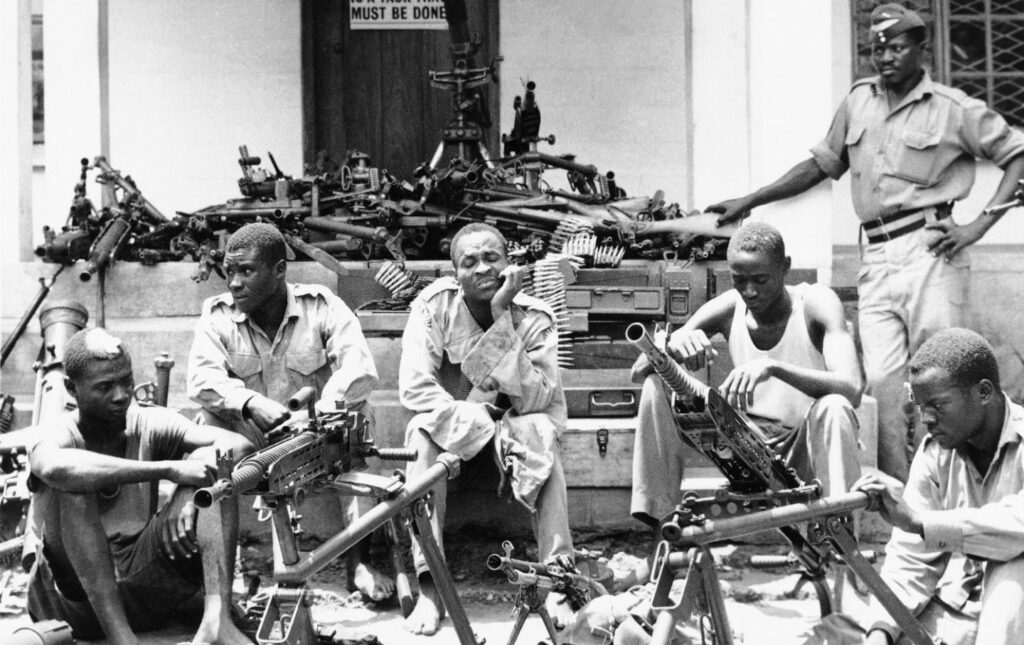
    Biafran War in Nigeria
    Biafran War in Nigeria

    Where government just pushes forward despite public outcry, ignoring peoples needs and even suppressing dissent, that is not the break-down of rationale democracy, it is a risk of authoritarianism, which historically has led to civil instability, protracted protests, uprising and even the collapse of systems. Here we have a delicate balance to make, because once trust erodes, it is hard to rebuild. That is why democratic institutions have to stay flexible, responsive, and open to the peoples’ voices so they don’t tip over into that kind of rigidity. One of the famous sayings of Niccolò Machiavelli is worthy of reflecting on with a view to making a sense out of the volatile situation that Nigeria is currently in, and it goes this way, ‘There are two ways of contention.  One by the law, the other by force. The first method is proper to man, the second to beast. But because the first is not frequently sufficient, it is necessary to have recourse to the second’. Nigeria is a country where might be always right, and that is why justice has been elusive to the common man but readily available to the rich man from among whom are the highest bidders.

    
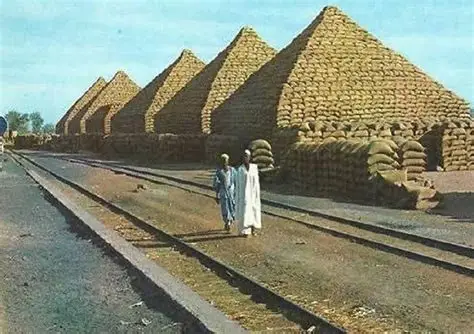
Groundnut pyramids. Kano, Nigeria.

    Groundnut pyramids. Kano, Nigeria.

    At independence, Nigeria had a lot of natural strengths, huge natural resources, a large population and a diverse cultural base. Despite the natural endowment, there were some artificial factors such as ethnic tensions, lack of infrastructure, and political instability, which have held her back. Plus, the legacy of colonialism including artificial boundaries that created frequent frictions also, all those combined together, made governance pretty tough from the start. For instance, ethnic tensions began to show early during the early post-independence leading to the Biafran war. Political instability took root as frequent coups and the lack of infrastructure made basic developments like roads, education, healthcare really slows to progress, and of course corruption which took root, a kind of compounded everything making it even harder for reforms to stick. Unfortunately, diversity which ordinarily should have been an advantage as a source of strength, was not nurtured with a shared sense of national belonging, thereby making it a fault line exacerbated by economic inequality, lack of trust in institutions, and the inability of the state to provide security, instead of strength. The rise of insecurity threats showed how the failure to integrate and build trust has come back to hunt the nation.

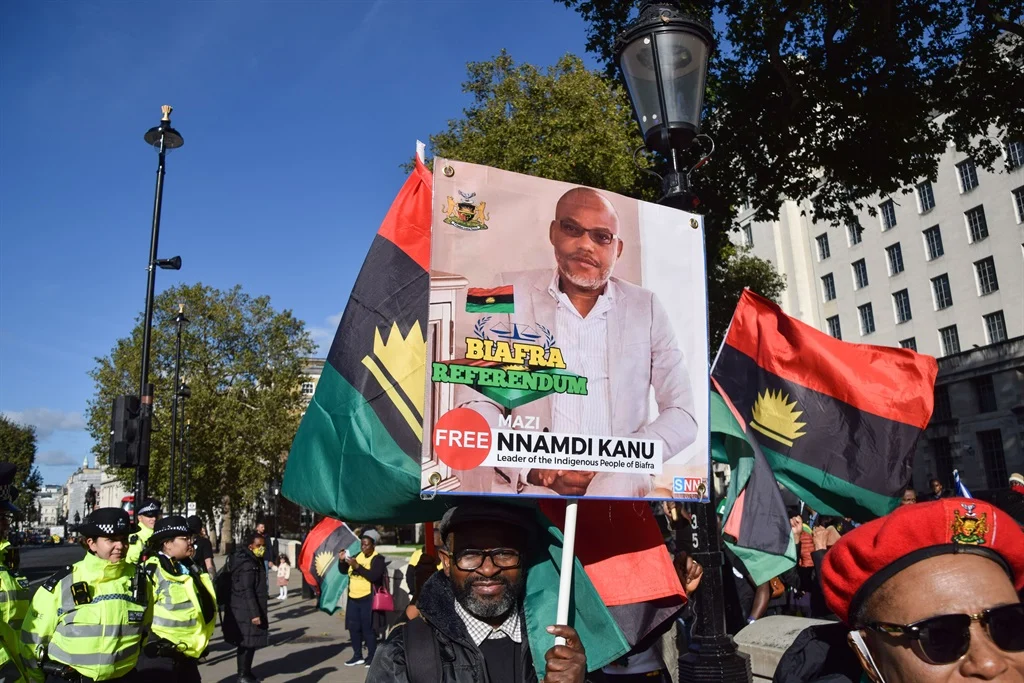
    Biafran Separatist in Nigeria

    Religion on its part, while a source of identity and strength, sometimes became a tool for division especially when political powers played on those differences. Education or the lack of it is huge. Without widespread quality education, a lot of young people did not have the skills and the opportunity to drive innovation and push the economy forward.  Both factors therefore created a kind of stagnation at multiple levels of the society. Furthermore, marginalization deepened the divides. Certain ethnic or religious groups felt left out of power, resources and political representation and that sense of exclusion always fueled separatist movements, distrust in the government, and even the willingness to turn to violence and banditry, and so marginalization was like a powder cake under all these other factors. Realize that a lot of communities especially in the north central and the far north felt marginalized too, often because they did not see the same economic developments in their regions or they felt politically sidelined after independence. So, as the experience of the Igbos was prominent, a lot of the north also haboured deep frustration and that contributed to the religious and the regional tensions we experience today. How does Nigeria now fit in for description as a nation that wars with itself? That I believe is a fair description, in that Nigeria has always had those tensions between becoming a potential giant and being a clog of itself, so while there were incredible strengths, culturally, economically, and with human resources, internal strife has been a major impediment to the achievement of its full potentials, making it a nation that contends with itself while looking for a way of reconciling its differences. Nigeria had all the potentials to be a major power house, economically, politically, and culturally, but has been held back by the internal divisions, religious and economic from the becoming the giant it could be. The way forward hinges on strengthening institutions to be more inclusive, making government accountable, investing heavily on education and economic opportunities across all regions. If Nigeria can build a stronger and a more equitable foundation, then it might start to thrive and actually become the giant it was meant to be.

    Boko Haram Terrorists

    As Nigeria is today with all the obstacles confronting it as a developing nation, turning the ugly situation around will definitely require a visionary leader to drive progress. However, the question waiting for an honest answer is, who do all these problems   prescribe as the long-awaited visionary leader to take over the mantle of leadership in 2027. Already, the incumbent President Bola Ahmed Tinubu has proved himself incapable of providing the kind of leadership that Nigeria truly needed to progress. What Nigeria urgently needs is RESTUCTURING and this prescribes a one term tenured leader to start with

    “Public spirit which in 1789 has risen to rare height of patriotism and courage, was dying in people weary of revolution and war. Skeptical of every leader and cynical of its own hopes. Here was a situation that called not for politics, but for statesmanship. Not for leisurely democratic debates in spacious assemblies, but for dictatorship. A combination of large perspectives, objective thoughts, tireless labor, discerning tact and commanding will”. The condition prescribed Napoleon.

    Nigerians are called to be objective in their choice of the next President of the country in 2027. They should be guided by the prescription of the condition of the country, not allowing emotions and sentiments to overtake the place of reason. May only the God Sent leader become the next President of Nigeria.

    God bless Nigeria

    By Samuel Tunji Adeyanju
  • Action Plan for Rescuing Nigeria

    Action Plan for Rescuing Nigeria

    “Let us unite across faith, class, region to ensure that Nigeria’s future is not stolen from us. Imagine a Nigeria where leadership is accountable, where opportunities are not stolen by a few but shared by all. A nation where education is genuine and youths have a voice, and where justice prevails. That Nigeria is possible, but we have to choose it NOW and together”.

    Nigeria currently stands on the edge of a precipice. Today across the country, citizens wake up with the daily reality of uncertainty, economic turmoil, political repression, and a crippling fear that their voices no longer matter. Under President Tinubu, what began as hope has now spiraled into frustration. Yet in this despair, a familiar voice called resilience rise. Across Nigeria despite uncertainty and frustration, ordinary citizens are finding ways to resist, through their courage, solidarity, and their quiet determined hope for a better future. Resistance you may wish to know is a collective intentional effort by ordinary people to push back against oppression. It often starts like small acts like a single protest, students’ gatherings and community meetings. Once it stays consistent, visible, and connecting across groups, using every tool, whether it is digital, cultural or direct action, until it gets to the moment it grows strong enough to create the real change. In the face of Nigeria’s long history of hardship and struggle, especially since 2015 when the All Progressive Congress Party (APC) took over power from the former President Goodluck Ebele Jonathan of the Peoples Democratic party (PDP), with the former President Late Mohammadu Buhari in the saddle and Bola Ahmed Tinubu as the National leader of the party, until he succeeded Buhari in 2023, each moment of struggle has carried the seed of something greater. Today we stand in a crucial point, a moment of suffering that can be transformed into a movement of unity. As Nigerians, we are called to rise beyond pain and build a future defined by resilience, hope and collective action.
    Protest against Hunger and Bad governance in Nigeria

    In 1973, General Augusto Pinochet led a military coup that ousted a democratically elected president in Chile. Under his rule, the country saw brutal repression, thousands were arrested, disappeared or killed. Year after year of resistance, student’s movement, labour strikes, and international pressure, dictatorship crumbled and democracy was eventually restored. In the Philippines, Ferdinand Marcos ruled as a dictator for above two decades, and imposing a martial law in 1972. During that time, the regime was marked by widespread human rights abuses and corruption. In 1986 after a mass uprising, people powered revolution peaceful protests spanning weeks, he was forced to flee. Marcos was originally a civilian who was elected president in 1965. Overtime though, he seized more power and imposed martial law and became a dictator. So it was that shift from a civilian leader to authoritarian ruler that defined his regime. In Chile, Augustus was a military officer, and he led the coup in 1973 as a general. He ruled as a dictator using the military to entrench his regime. Protest began in pockets, at first with student’s groups and labour unions. Overtime, these protests grew, people organized into brands, spreading across neighbourhoods, and used international support. Key moment of the massive national strike and the defiance of the Artists, kept the movement alive. Eventually, the pressure became so great, that the regime began to slip leading to a referendum in 1988 where the people voted him out.

    Jasmine Revolution

    In Tunisia in late 2010, December to be precise, it so happened with Mohammed Bouazizi, a young street vendor man in his early 20s, who lived in a small city of Sidi Bouzid in Tunisia. He came from a humble background and every day he would set up a small stand on the street selling fruits and vegetables and he was the primary bread winner of his family, his mother and siblings. On that day in December 2010, a municipal officer confiscated his goods, claiming he didn’t have a permit. In that moment after being humiliated and feeling powerless and no one listened to him, he walked to a nearby square and set himself ablaze. That sparked mass protest and within weeks the movement which was later called the Jasmin Revolution toppled President Zine El Abidine, ending his 23 years dictatorship. From there Tunisia became the first Arab spring success, ushering in a new democratic system. With the examples of the successes recorded in the Philippines, Chile, Tunisia and South Africa, leading to the end of Apartheid, all of these show that when people stay committed and organized, they really can bring about massive change within a few years or as soon as the situation demands. Persistence grinds an iron beam into a needle.

    In Nigeria, there are several active resistance movements. For example, the hashtag protest against bad governance and hunger erupted in May 2024, driven by young Nigerians frustrated with economic hardship and governments failures. The Nigeria Labour Congress is also playing a key role linking labour rights to broader demands for accountability. In Niger Delta, environmental justice groups are continuing decades of resistance against oil extraction. These movements though different, share a spirit of resilience and a help for change. To harness the energies from these movements, just like the civil rights movement in the United States or the resistance movement against Apartheid regime in South Africa found a unifying principle, in Nigeria it could be a shared focus on economic justice or youth empowerment. Something that affects everyone regardless of region or profession. Once we have that one unifying demand, which could be the security of lives and property, a fair government or true democracy, we can align our strategies, amplify each one’s voice and create a really sustained movement. Note that the role of the media in this equation is crucial and indispensable. They are to connect those dots. By consistently telling those stories, they build a bigger narrative, and people see that despite different causes , they are all fighting for something bigger, and that can be a catalyst for unity and a sustained action.

    Student Union Activists in Nigeria

    There is no gainsaying the fact that Nigeria is in a precarious situation as made possible by the directionless administration of Bola Ahmed Tinubu and his retrogressive party, APC. The most disappointing part of it all is the degree of the desecration of the Temple of Justice, the judiciary, an arm of government which ordinarily should be the last hope of the common man, but now the seller of justice to the highest bidders. In political cases, one predicts easily where the pendulum of justice swings especially when the ruling party officials are involved. That accounts for why it is extremely difficult if not impossible to practice true democracy in Nigeria.

    It is important at this juncture to rethink Nigeria back to the path of rectitude, stability, and greatness. This positive development is possible by voting out of power Bola Ahmed Tinubu and his cohort in 2027. Nigerians are called upon to be circumspective especially regarding the 2027 elections and those that would be asking for our trust, especially the sitting president, Tinubu. Nigerians should look at the patterns, from his drug allegations in the United States, certificate scandals, to the fraudulent tactics he used to seize power in 2023. Nigerians also should not forget in a hurry, the case of the fake bishops used to garner support for his moslem-moslem ticket. These are not just personal failings, but a blueprint of deception. It is also concerning; how much damage has been done to the country’s democratic structures by the Tinubu administration. To this end, if we allow him another term, we risk losing the remaining progress made since 1999 which was when democracy returned at the commencement of the fourth republic. Let us unite across faith, class, region to ensure that Nigeria’s future is not stolen from us. Imagine a Nigeria where leadership is accountable, where opportunities are not stolen by a few but shared by all. A nation where education is genuine and youths have a voice, and where justice prevails. That Nigeria is possible, but we have to choose it NOW and together.

    Labour Union Activists in Nigeria

    View the whole world and with impartial eyes, consider and examine all that rise. Weigh well their actions and their treacherous ends. How greatness grows and by what steps ascends. What murders, treason, perjuries, deceits, how many fall to make one monster great?

    God bless Nigeria.

    By Samuel Tunji Adeyanju